Introduction
Feline diabetes mellitus is a common endocrine disorder in cats that affects the way the body uses glucose for energy. When insulin is unavailable or the body does not respond properly to it, blood glucose levels rise. Over time, this can lead to noticeable changes in drinking, urination, appetite, body weight, and activity.
The most recognizable feline diabetes symptoms include excessive thirst, frequent urination, increased appetite, and unexplained weight loss. Some cats may also develop weakness, reduced activity, recurrent infections, or difficulty walking because of diabetic nerve damage. Recognizing these changes early can make a meaningful difference because diabetes can often be managed successfully with veterinary care, appropriate nutrition, and insulin when required.
What Is Feline Diabetes?
Feline diabetes mellitus occurs when a cat cannot use insulin effectively to regulate blood glucose. Insulin is produced by pancreatic beta cells and helps move glucose from the bloodstream into cells, where it can be used for energy.
Most diabetic cats have a form that resembles type 2 diabetes in humans, involving insulin resistance combined with inadequate insulin production. Obesity, increasing age, physical inactivity, and certain medications such as corticosteroids can increase the risk.
When insulin is insufficient or ineffective, glucose remains in the bloodstream instead of entering cells efficiently. The resulting high blood sugar can eventually cause glucose to spill into the urine. Because glucose draws water into the urine, the cat produces more urine and consequently becomes thirstier.
This explains why drinking and urination changes are among the earliest feline diabetes symptoms that owners notice.

What Are the Main Feline Diabetes Symptoms?
The signs of diabetes can develop gradually, so they may initially be mistaken for normal changes associated with aging. Paying attention to changes in your cat’s everyday habits is therefore important.
Excessive Thirst and Frequent Urination
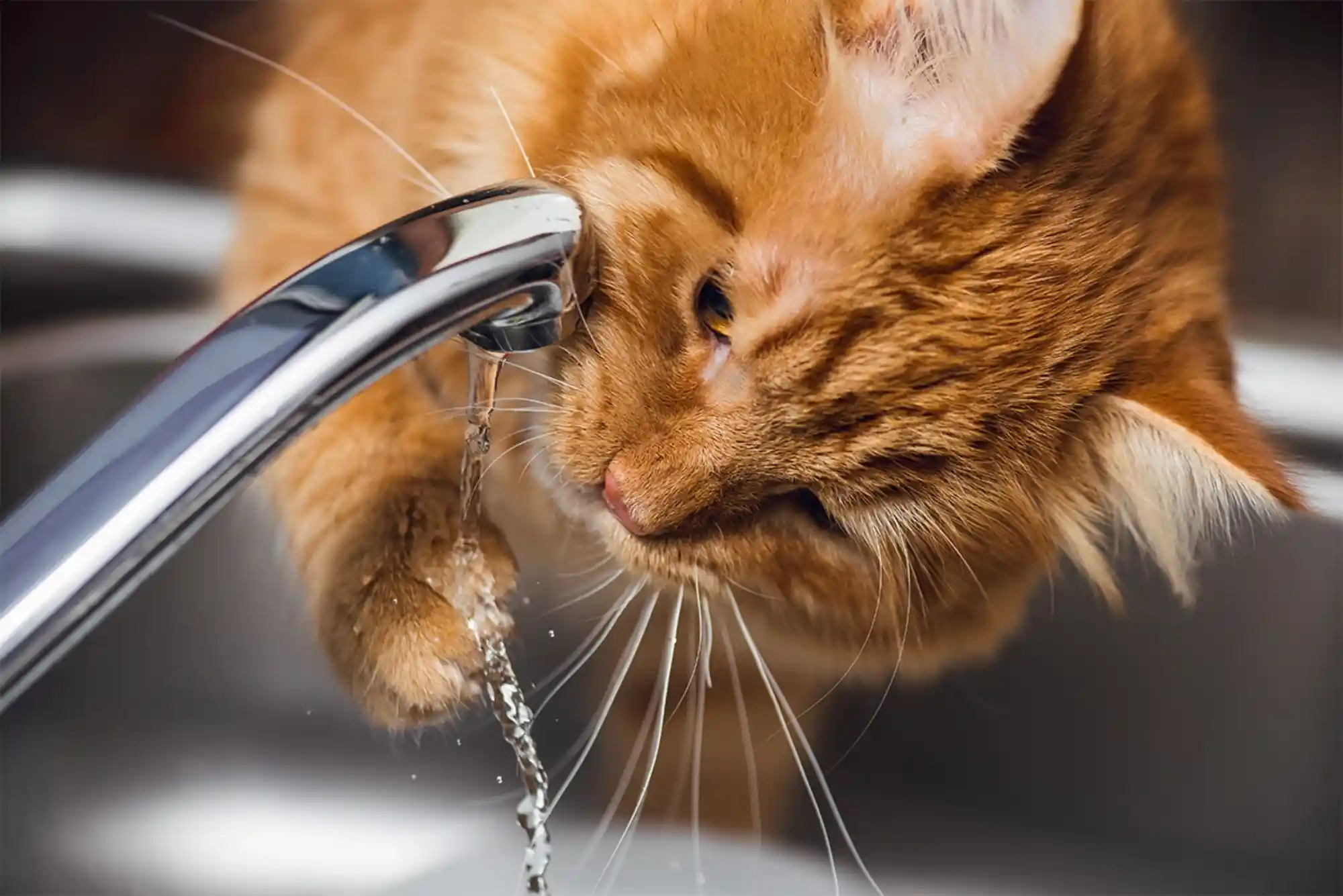
A cat that suddenly starts drinking much more water may be showing one of the classic feline diabetes symptoms. Owners may notice the water bowl becoming empty faster than usual or their cat repeatedly visiting the water source.
Increased urination usually accompanies increased thirst. When blood glucose becomes high enough, the kidneys cannot reabsorb all the glucose. Glucose enters the urine and pulls additional water with it, increasing urine production. The cat then drinks more to replace the lost fluid.
These changes should not automatically be attributed to diabetes, however. Kidney disease, hyperthyroidism, urinary problems, and other conditions can also cause increased drinking and urination.
Weight Loss Despite a Good Appetite
Unexplained weight loss is another important sign. A diabetic cat may continue eating normally or even appear hungrier than usual while steadily losing body weight.
The reason is related to the way glucose is used. When glucose cannot effectively enter cells, the body looks for alternative energy sources. It can begin breaking down fat and protein, which contributes to loss of body mass.
If your cat appears to be eating well but is becoming noticeably thinner, veterinary assessment is appropriate.
Increased Appetite
Some diabetic cats develop polyphagia, meaning an unusually strong appetite. The cat may seem hungry shortly after eating or repeatedly ask for food.
This can occur because the body’s cells are not getting enough usable energy from circulating glucose. However, appetite changes are not specific to diabetes. Hyperthyroidism and several gastrointestinal conditions can also cause increased hunger and weight loss.
Reduced Energy and Weakness
As diabetes progresses or becomes poorly controlled, some cats become less active. They may sleep more, play less, or appear generally weak.
A diabetic cat can also develop diabetic neuropathy, a form of nerve damage that particularly affects the hind limbs. One recognizable sign is a plantigrade stance, where the cat walks or stands with its hocks closer to the ground than normal. Cornell notes that this condition can improve when diabetes is appropriately treated.
Recurrent Infections
Diabetic cats can become more susceptible to certain infections, including urinary tract infections. Chronic or recurring infections can sometimes be an additional clue that blood glucose is not being adequately controlled.
An infection alone does not establish a diagnosis of diabetes, but repeated infections combined with increased thirst, urination, appetite, or weight loss deserve veterinary attention.
Why Does Diabetes Cause Excessive Thirst?
Understanding the connection between high blood sugar and thirst makes one of the most important feline diabetes symptoms easier to recognize.
When blood glucose becomes persistently elevated, the kidneys filter more glucose. Once the amount of glucose exceeds the kidney’s ability to reabsorb it, glucose appears in the urine. This is called glucosuria.
Glucose in urine increases the amount of water lost through urination. The cat becomes dehydrated or begins losing more fluid than usual, which triggers thirst.
As a result, a diabetic cat may enter a cycle of high blood glucose, increased urination, increased fluid loss, and increased drinking. This is why a noticeable change in water consumption should not be ignored.
How Is Feline Diabetes Diagnosed?
Veterinarians generally diagnose diabetes by looking for persistent high blood glucose together with glucose in the urine. Clinical signs such as excessive thirst, urination, appetite changes, and weight loss provide important context.
Cats present a special diagnostic challenge because visiting a veterinary clinic can temporarily increase their blood glucose. This stress-related rise is known as stress hyperglycemia and can sometimes make a single blood glucose measurement difficult to interpret.
For this reason, a veterinarian may recommend additional testing. Fructosamine is one useful test because it provides an indication of average blood glucose over roughly the previous couple of weeks and is less affected by an isolated episode of stress.
The veterinarian may also investigate other conditions that can cause similar symptoms, including chronic kidney disease, hyperthyroidism, pancreatitis, and urinary tract problems.
How Is Feline Diabetes Treated?
Treatment depends on the individual cat, the severity of the disease, concurrent medical conditions, and the veterinarian’s assessment.
For many cats, insulin is a central part of treatment. Insulin helps lower blood glucose by allowing glucose to be used by the body’s cells. Cornell describes injectable insulin as a mainstay of feline diabetes treatment, with preparations such as glargine, protamine zinc insulin, and other veterinary insulin products used according to the individual case.
Insulin is usually administered under the skin. Many owners initially worry that injections will be difficult, but cats generally tolerate appropriately administered injections well, and veterinarians can teach owners how to give them safely.
The exact insulin type, dose, and schedule should always be determined by a veterinarian. Different insulin products have different concentrations and characteristics, so using the wrong product or syringe can be dangerous.
Why Insulin Monitoring Is So Important
Insulin is helpful when correctly prescribed, but too much insulin can cause hypoglycemia, meaning dangerously low blood glucose.
Signs of hypoglycemia can include weakness, lethargy, vomiting, poor coordination, tremors, seizures, and collapse. Severe hypoglycemia can be life-threatening and requires immediate veterinary attention.
For this reason, owners should never independently increase or decrease an insulin dose simply because their cat appears thirstier, hungrier, or more tired. Blood glucose monitoring and veterinary guidance are essential when adjusting treatment.
Veterinarians may recommend blood glucose curves or home glucose monitoring to understand how a cat responds to its insulin throughout the day. Monitoring body weight, appetite, water consumption, urination, activity, and insulin administration can also help identify whether treatment is working as intended.
Can Diet Help a Diabetic Cat?
Diet is an important part of feline diabetes management. Many diabetic cats benefit from diets that are relatively low in carbohydrates and appropriately formulated for their nutritional needs.
Wet food may be useful for many cats because it can provide additional moisture and may fit well with a lower-carbohydrate feeding strategy. However, the right diet depends on the cat’s body condition, existing medical problems, eating habits, and treatment plan.
Weight management is especially important for overweight diabetic cats. Weight reduction should be gradual and supervised by a veterinarian rather than achieved through sudden food restriction.
Diet should also be coordinated with insulin therapy. Changes in food intake can influence blood glucose, so owners should tell their veterinarian if a diabetic cat suddenly stops eating or develops a significant appetite change.
Can Feline Diabetes Go Into Remission?
Yes. Unlike diabetes in many dogs, some cats can enter diabetic remission, meaning they maintain appropriate blood glucose levels without continuing insulin treatment.
Remission is more likely when diabetes is identified and managed effectively, particularly when appropriate dietary management and glucose control are established early. Merck Veterinary Manual notes that many cats can achieve remission with a combination of diet modification and insulin treatment.
Remission does not mean the cat should simply stop receiving insulin. If a cat appears to be improving, the veterinarian should reassess blood glucose and determine whether treatment needs to be changed.
When Is Feline Diabetes an Emergency?
Not every diabetic cat requires emergency treatment, but certain changes require immediate veterinary attention.
Diabetic ketoacidosis, commonly called DKA, is a serious complication that can develop when diabetes is uncontrolled. Signs may include severe lethargy, weakness, reduced appetite, vomiting, dehydration, and breathing abnormalities. DKA requires urgent veterinary treatment and often hospitalization.
Very low blood glucose after insulin administration is another emergency. If a diabetic cat becomes extremely weak, uncoordinated, trembles, has seizures, or collapses, contact a veterinarian immediately. Cornell recommends immediate action for suspected hypoglycemia and emphasizes that severe cases can be fatal.
How Can Owners Monitor Feline Diabetes Symptoms at Home?
Daily observation can provide valuable information between veterinary appointments. Pay attention to how much your cat drinks, how often it urinates, whether its appetite has changed, and whether its body weight is increasing or decreasing.
Keeping a simple record of insulin administration can also prevent accidental missed or duplicate doses. If your veterinarian has recommended home blood glucose testing, record those results as instructed.
Changes should be considered in context rather than judged from one isolated measurement. A cat’s appetite, weight, activity, hydration, and glucose readings together provide a more useful picture of diabetes control.
Most importantly, do not change insulin dosage or timing without veterinary guidance. Insulin requirements can change as a cat’s diabetes improves, worsens, or enters remission.
Recognize Feline Diabetes Symptoms Early
Recognizing feline diabetes symptoms can help owners seek veterinary care before the condition becomes more complicated. Excessive thirst, frequent urination, unexplained weight loss, increased appetite, reduced activity, and weakness are important changes to take seriously.
Diabetes does not necessarily mean a poor quality of life for a cat. With appropriate veterinary supervision, insulin when indicated, suitable nutrition, weight management, and regular monitoring, many diabetic cats can remain comfortable and active. Some may even achieve remission.
FAQs
What are the first signs of diabetes in a cat?
The most commonly noticed early signs are increased thirst, increased urination, weight loss despite a good appetite, and increased hunger. These signs can develop gradually, so owners may not immediately recognize them as feline diabetes symptoms.
How do I know if my cat is drinking too much water?
A noticeable increase in water consumption compared with your cat’s normal routine can be a warning sign. You may notice the bowl emptying more quickly or your cat seeking water more frequently. Increased drinking can have many causes, so persistent changes should be discussed with a veterinarian.
Why is my diabetic cat losing weight but eating normally?
When insulin is insufficient or ineffective, glucose cannot be used properly by cells for energy. The body may then break down fat and protein, causing weight loss even when the cat continues eating well.
Can a cat with diabetes live without insulin?
Some cats can eventually enter diabetic remission and no longer require insulin, but this must be confirmed and supervised by a veterinarian. Stopping insulin without appropriate testing can be dangerous.
What happens if feline diabetes is left untreated?
Untreated or poorly controlled diabetes can cause dehydration, progressive weakness, weight loss, and serious complications such as diabetic ketoacidosis. DKA is a medical emergency requiring immediate veterinary treatment.
Can feline diabetes be cured?
Some cats can achieve remission, particularly with appropriate treatment, diet, weight management, and monitoring. However, remission is different from a guaranteed permanent cure, and cats that enter remission still need ongoing observation because diabetes can return.
Do cats with diabetes need insulin every day?
Many diabetic cats require regularly scheduled insulin injections, often administered approximately every 12 hours depending on the prescribed product and treatment plan. The exact schedule and dose must come from the veterinarian treating the cat.