Introduction
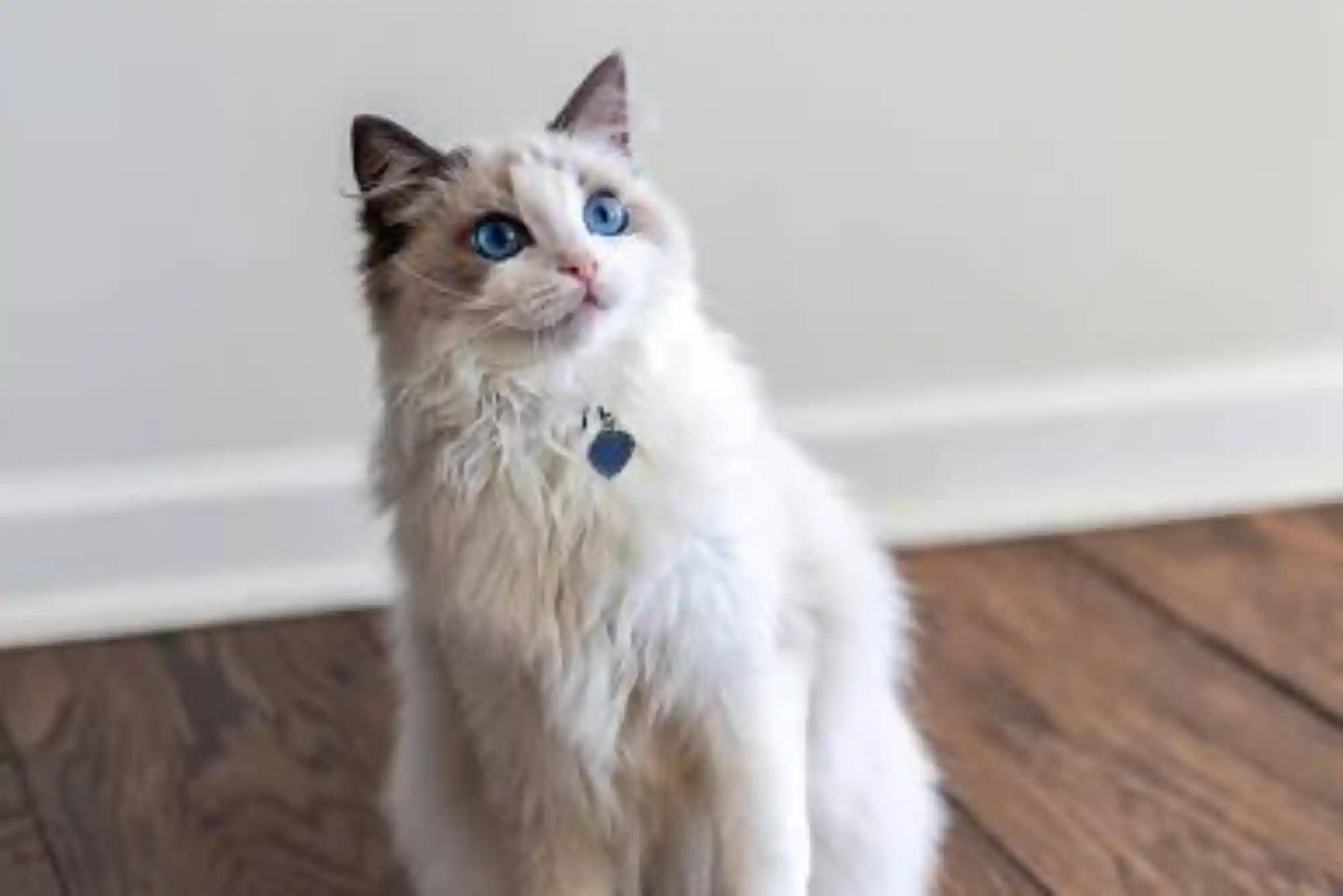
Welcome to your complete guide on the Ragdoll Cat Personality, Grooming Needs, and Lifespan Profile. Ragdolls are among the most beloved feline breeds in the world today. Their captivating blue eyes and plush coats turn heads wherever they go. Beyond their stunning looks, these gentle giants possess a unique temperamental charm. They earn their name because they relax completely when picked up in your arms.
Understanding the Ragdoll Cat Personality, Grooming Needs, and Lifespan Profile is essential for prospective pet parents. Owning a feline friend requires long-term commitment and proper daily care. Ragdolls thrive on companionship and need specific attention to stay happy and healthy. In this detailed guide, we will break down every essential aspect of their behavior, grooming demands, and longevity.
Understanding the Affectionate Ragdoll Cat Personality
The Ragdoll temperament sets this breed apart from almost every other domestic feline. Known widely as puppy dogs in cat bodies, Ragdolls naturally follow their owners from room to room. They greet you warmly at the door after a long workday. Unlike independent breeds, Ragdolls genuinely crave human touch and constant emotional engagement.
This loving nature makes them perfect companions for families, children, and apartment dwellers. They rarely display aggression and prefer peaceful environments. Ragdolls communicate through soft, gentle chirps rather than loud meows. Their calm demeanor helps them adapt quickly to busy homes with other pets.
Essential Routine and Ragdoll Cat Grooming Needs
Maintaining the silky coat of a Ragdoll requires consistent weekly care. Despite their plush appearance, Ragdolls lack a dense, thick undercoat. This special coat structure means they mat far less than other long-haired breeds like Persians. However, routine brushing remains vital to prevent painful tangles around their legs and neck.
A quality steel comb or slicker brush works best for removing loose fur gently. Brushing two to three times per week keeps their fur clean and glossy. Beyond coat care, nail trimming every two weeks prevents painful overgrowth. Inspecting their ears weekly and maintaining dental hygiene ensures complete grooming health.

Exploring the Comprehensive Ragdoll Cat Lifespan Profile
When considering the Ragdoll Cat Personality, Grooming Needs, and Lifespan Profile, health and longevity play central roles. The average lifespan of a healthy indoor Ragdoll ranges from twelve to fifteen years. With exceptional veterinary care, premium nutrition, and low stress, many live well into their late teens.
Providing a balanced diet rich in animal protein supports strong muscle development. Because Ragdolls grow slowly, they take up to four years to reach full size and weight. Monitoring portion sizes prevents obesity, which can shorten their lifespan significantly. Routine checkups and an enriching indoor environment keep them happy throughout their golden years.
Common Health Issues Influencing Ragdoll Lifespan
While generally robust, Ragdolls inherit specific genetic predispositions that owners must monitor carefully. Hypertrophic Cardiomyopathy, a common heart condition, causes thickening of the heart muscle. Responsible breeders test parent cats to prevent passing this genetic trait down to kittens. Regular veterinary screenings help detect early heart changes in mature adults.
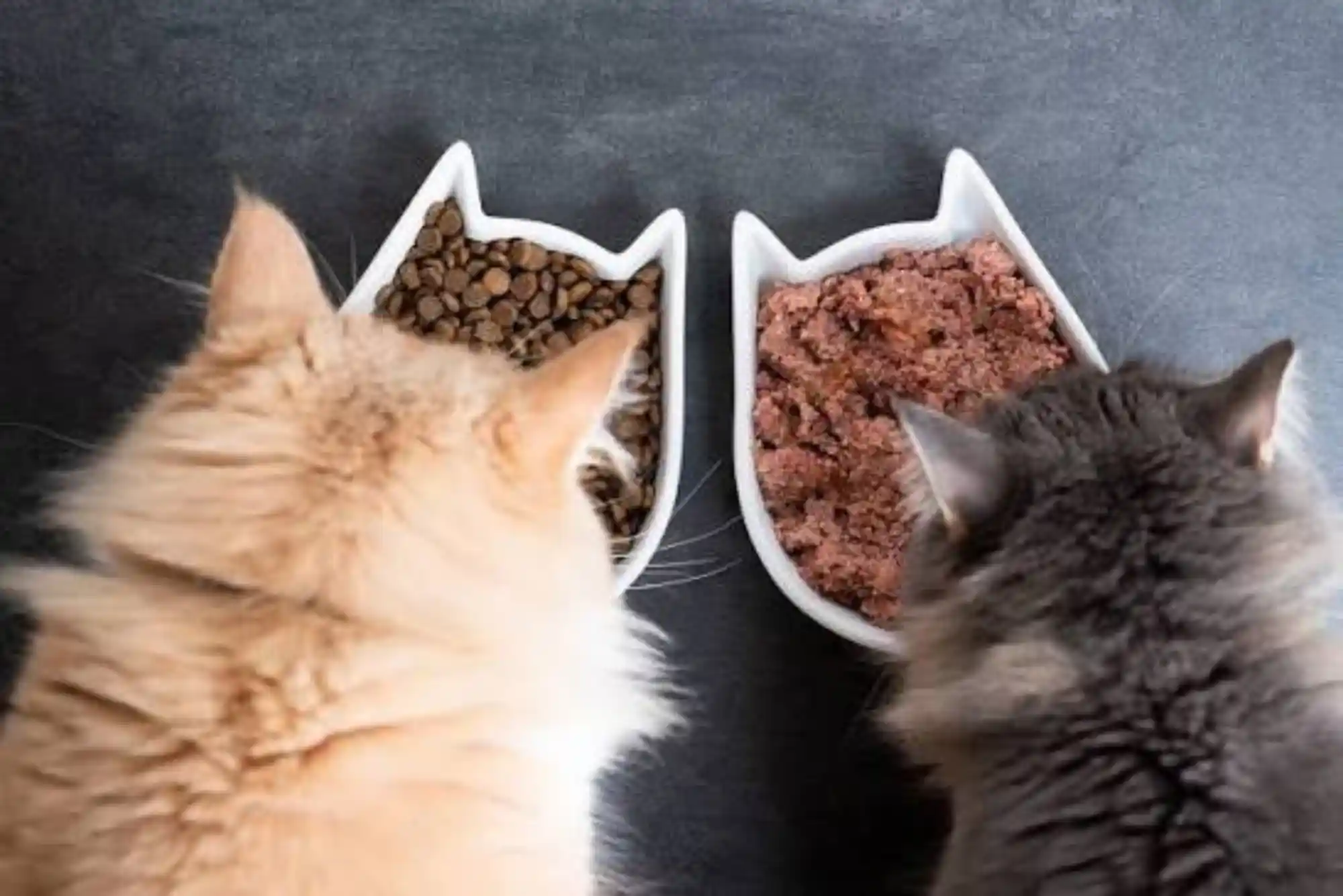
Polycystic Kidney Disease is another genetic condition that can affect renal function over time. Early screening and routine blood panels identify kidney health issues early on. Feline urinary tract issues can also occur, particularly in males fed purely dry food diets. Incorporating high-quality wet food boosts moisture intake and protects overall organ function.
Diet and Nutrition for Peak Health and Longevity
Proper nutrition directly supports the entire Ragdoll Cat Personality, Grooming Needs, and Lifespan Profile. As large-bodied carnivores, Ragdolls need high-protein meals with essential fatty acids. Omega-3 and Omega-6 fatty acids nourish their skin and keep their long fur shiny and soft. Always look for named meat sources like chicken, turkey, or salmon as primary ingredients.
Hydration is crucial for preventing kidney disease and urinary tract blockages. Many Ragdolls prefer drinking running water from circulating pet fountains. Feed adult cats measured meals twice daily rather than leaving food out constantly. Avoiding high-carbohydrate fillers like corn and soy prevents swift obesity in these gentle, docile cats.
Creating an Ideal Environment for a Ragdoll Cat
Designing a safe indoor haven keeps your affectionate companion physically active and mentally engaged. Ragdolls enjoy soft beds, elevated perches, and sturdy scratching posts positioned near windows. Because they love human proximity, place their favorite sleeping spots in rooms where you spend the most time.
Interactive toys like feather wands, laser pointers, and puzzle feeders satisfy their hunting instincts. Daily play sessions strengthen your bond while burning off extra calories. Safety proofing your house is equally vital for this curious breed. Securing window screens, hiding electrical cords, and removing toxic houseplants creates a protective environment.
Frequently Asked Questions
Are Ragdoll cats high maintenance to care for?
Ragdolls are surprisingly moderate in terms of grooming maintenance. Because they lack a dense undercoat, their fur mats less easily than other long-haired cats. Brushing two or three times a week keeps their coat healthy.
Do Ragdoll cats shed a lot of fur?
Yes, Ragdolls do shed fur, particularly during seasonal coat changes in spring and autumn. Regular brushing greatly reduces loose fur around your home and prevents unpleasant hairballs.
Can Ragdoll cats be left alone during the day?
Ragdolls thrive on companionship and can develop separation anxiety if left alone for extended periods. They genuinely prefer having humans or companion animals nearby throughout the day.
How big do full-grown Ragdoll cats get?
Ragdolls are one of the largest domesticated cat breeds in the world. Fully grown males typically weigh between fifteen and twenty pounds, while females weigh ten to fifteen pounds.