Introduction
Every cat parent wants their feline companion to live a long, vibrant, and healthy life. Nutrition plays the single most critical role in determining your cat’s lifespan, energy levels, and resistance to chronic diseases. However, when standing in the pet food aisle, pet owners face a classic dilemma: Wet vs Dry Cat Food: Which Is Better for Feline Longevity?
Navigating the endless choices of kibble and canned food can feel overwhelming. While some cat lovers praise canned food for its high moisture content, others prefer dry kibble for its convenience and cost-effectiveness. To make the best choice for your pet, it is essential to understand how each food type impacts health, organ function, and aging.
Understanding Wet vs Dry Cat Food: Which Is Better for Feline Longevity?
To evaluate Wet vs Dry Cat Food: Which Is Better for Feline Longevity?, you must first understand the fundamental physiological differences between wet and dry diets. Cats are obligate carnivores, which means their bodies evolved to thrive on animal protein, moderate fat, and low carbohydrates. In the wild, felines get most of their water directly from their prey, which consists of roughly seventy percent moisture.
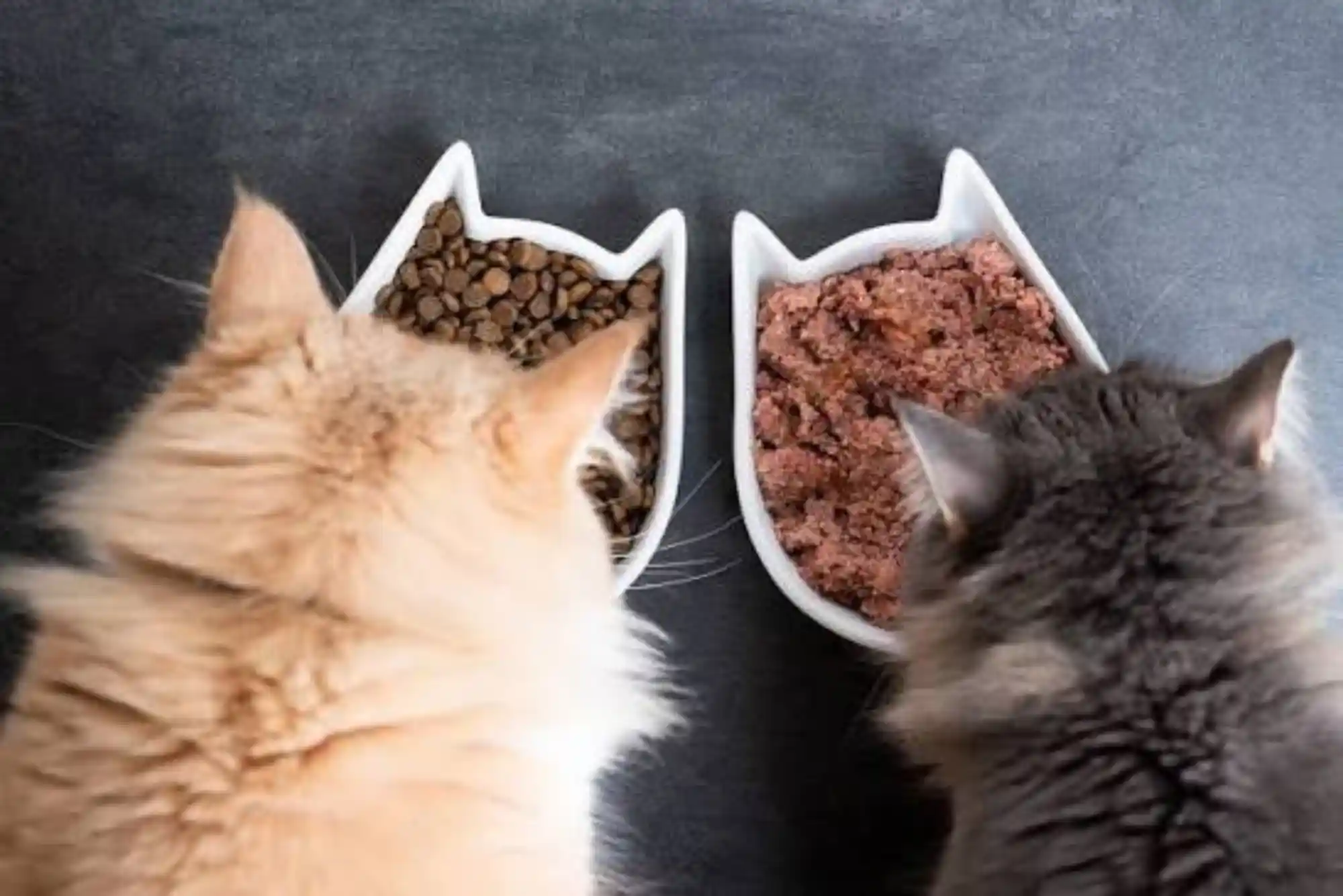
Wet cat food closely mirrors a wild cat’s natural diet, typically containing around seventy to eighty percent water. It is rich in protein and low in carbohydrates, making it easy to digest. Dry cat food, on the other hand, contains only about ten percent moisture. To form dry kibble, manufacturers must use starches and carbohydrates, resulting in higher calorie density and lower natural hydration.
The Importance of Hydration in Feline Longevity
Hydration is arguably the most crucial factor when comparing Wet vs Dry Cat Food: Which Is Better for Feline Longevity? Domestic cats have a naturally low thirst drive inherited from their desert-dwelling ancestors. They rarely feel compelled to drink water from a bowl until they are already mildly dehydrated.
Chronic low-level dehydration poses a serious threat to feline longevity. Over time, a lack of adequate fluids strains the kidneys and concentrates urine, dramatically increasing the risk of Feline Lower Urinary Tract Disease, painful bladder stones, and idiopathic cystitis. Because wet cat food contains abundant fluids, cats on canned diets automatically absorb plenty of water with every meal, providing a distinct edge for promoting a long, healthy life.

Nutritional Breakdown: Protein, Carbs, and Calories
Another key factor in the Wet vs Dry Cat Food: Which Is Better for Feline Longevity? debate is nutrient composition. Cats rely on dietary animal protein for essential amino acids like taurine, arginine, and cysteine. Without these vital nutrients, cats can suffer from heart disease, vision loss, and immune deficiencies.
Wet food generally delivers a higher proportion of animal protein relative to carbohydrates. Because kibble requires starch for the extrusion process, dry cat foods tend to contain higher levels of carbohydrates from ingredients like corn, wheat, peas, or potatoes. Maintaining an ideal body weight is essential for feline longevity, as feline obesity is closely linked to serious health conditions like diabetes and osteoarthritis.
Dental Health Myths and Facts Regarding Dry Kibble
For decades, a common myth suggested that dry kibble cleans a cat’s teeth by scraping off plaque as they chew. When considering Wet vs Dry Cat Food: Which Is Better for Feline Longevity?, many owners choose kibble specifically for dental benefits, but the reality is more complex.
Most cats do not chew dry kibble long enough for any mechanical cleaning action to occur. Instead, kibble bits shatter easily or are swallowed whole, providing minimal friction against the gumline. Specialized veterinary dental diets do exist, but standard commercial dry food does not guarantee good dental hygiene, making active brushing and veterinary cleanings necessary regardless of diet type.
Comparing the Pros and Cons of Wet Cat Food
To determine Wet vs Dry Cat Food: Which Is Better for Feline Longevity?, it helps to weigh the clear advantages and disadvantages of canned diets. Wet food excels in nutrition and hydration, but it does present a few practical challenges for pet owners.
The primary benefit of wet food is its high moisture content, which supports kidney, liver, and bladder function. It is also palatable, aromatic, and easy to chew, making it ideal for picky eaters or senior cats. On the downside, wet cat food is significantly more expensive than dry food and spoils quickly once opened, requiring immediate refrigeration and careful meal handling.
Comparing the Pros and Cons of Dry Cat Food
Dry kibble remains extremely popular worldwide due to its convenience and affordability. Understanding its strengths and weaknesses is key when exploring Wet vs Dry Cat Food: Which Is Better for Feline Longevity? for your household routine.
The main advantage of dry cat food is convenience. It is shelf-stable, easy to measure, and can be left out for free-feeding or used in automated feeders. However, the main drawback of dry food is its low moisture content and higher caloric density, which can easily lead to overeating and mild chronic dehydration unless water intake is closely monitored.
Why a Mixed Diet Might Be the Ultimate Longevity Solution
You do not necessarily have to choose just one side in the Wet vs Dry Cat Food: Which Is Better for Feline Longevity? debate. Many veterinarians and feline nutritionists recommend a flexible combination diet that brings together the best of both worlds.
A mixed feeding schedule allows your cat to enjoy the hydrating and weight-regulating benefits of wet food alongside the convenience and texture of dry kibble. For example, you can offer wet food for breakfast and dinner to ensure proper hydration, while leaving a measured portion of dry kibble in a puzzle feeder during the day to encourage movement and mental stimulation.
How to Choose the Best Food for Your Aging Cat
As your cat enters their golden years, their nutritional requirements change dramatically. To resolve Wet vs Dry Cat Food: Which Is Better for Feline Longevity? for senior cats, you must tailor their diet to their specific health conditions and organ function.
Older cats frequently experience declining kidney function, loss of smell, diminished appetite, and dental sensitivity. Wet food is often superior for senior cats because its strong aroma stimulates appetite and its soft texture is gentle on sore teeth, but energy-dense dry food formulas can still serve as a helpful supplement if weight loss becomes a concern.
Frequently Asked Questions
Is wet food really better for a cat’s kidneys than dry food?
Yes, wet food is significantly better for kidney health because it contains high levels of moisture. Adequate hydration dilutes urine, reduces kidney strain, and helps flush out toxins, which supports long-term organ function.
Can cats live a long life on an exclusively dry food diet?
Cats can live long, healthy lives on an all-dry diet if the food is high in protein and top-quality nutrients. However, owners must ensure their cat drinks plenty of fresh water using water fountains or added broths to prevent urinary issues.
How many times a day should I feed my cat wet food?
Most adult cats do best with two meals of wet food per day spaced roughly twelve hours apart. This regular feeding schedule helps maintain steady blood sugar levels, prevents overeating, and keeps food fresh.
Does mixing water into dry cat food make it as good as wet food?
Adding warm water or low-sodium bone broth to kibble improves hydration and enhances flavor for picky eaters. It helps increase your cat’s overall fluid intake without forcing a complete switch to canned meals.
Making the Best Choice for Your Cat’s Future
When answering Wet vs Dry Cat Food: Which Is Better for Feline Longevity?, evidence points to wet food as the slight winner for overall health and lifespan. Its natural moisture content, superior protein levels, and ability to prevent obesity give cats a distinct advantage against kidney disease and metabolic issues.