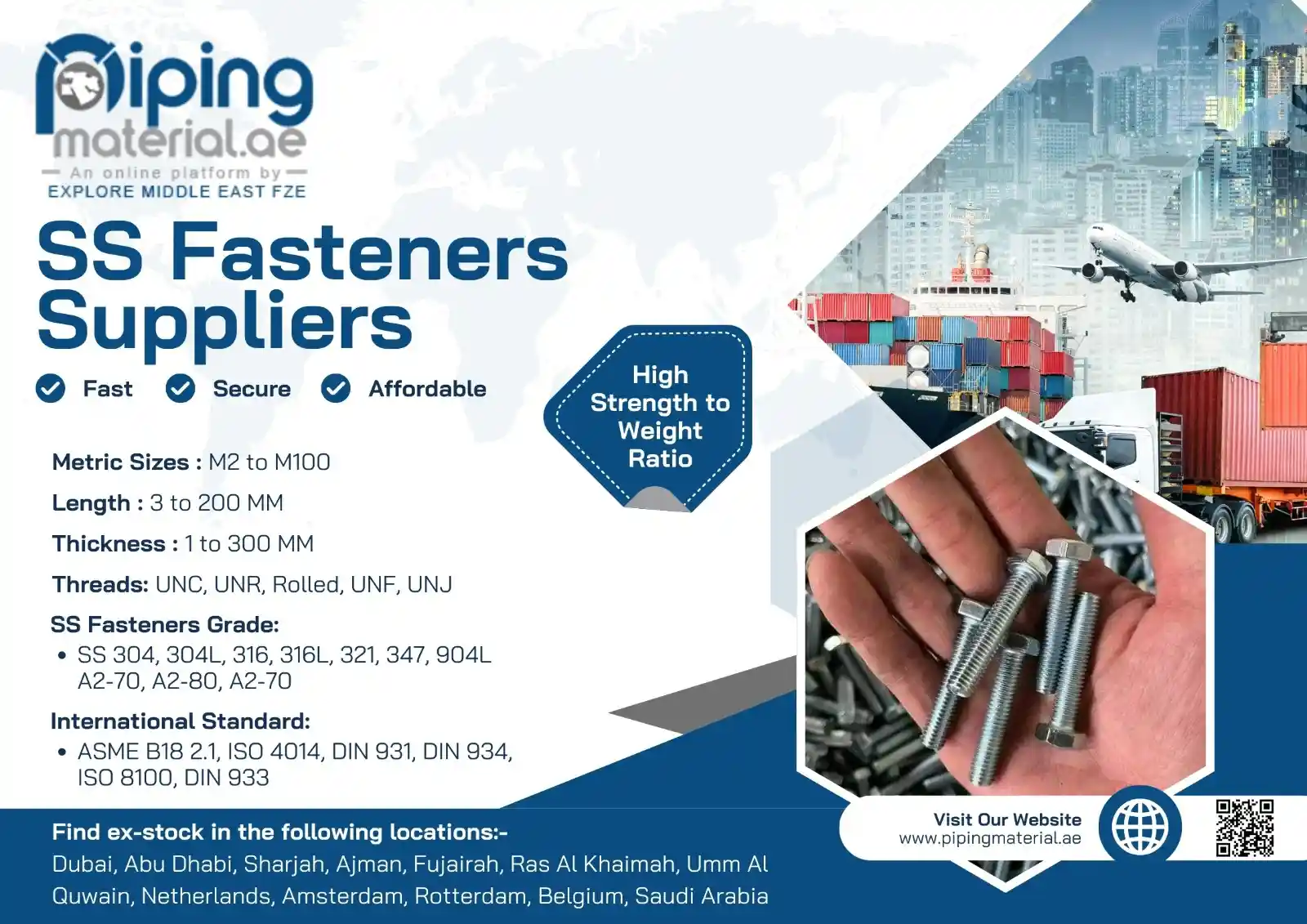
When choosing stainless steel fasteners, it is necessary to ensure that the fasteners are durable, have strength, and also have longevity. Corrosion is among the most prevalent issues that undermine the structural integrity of metal assemblies, especially in environments exposed to moisture, chemicals, or extreme temperatures. But knowing the procedure for selecting corrosion-resistant SS Fasteners can save time, money, and maintenance headaches in the long run. If you are still thinking about how you should choose the right corrosion-resistant SS fasteners, then continue reading the blog and learn more about the same.
Understanding Corrosion in Stainless Steel Fasteners
Corrosion is a chemical or electrochemical process that progressively destroys a metal. Even stainless steel, which is well known to be resistant, is not immune altogether. Some environments, including those in the marine and acidic or wet conditions, have the capacity to accelerate corrosion. As the fasteners corrode, they may compromise the structural interrelations, resulting in failure costs that are very expensive and dangerous.
The key to preventing corrosion starts with knowing the type of stainless steel and the environment in which the fasteners will be used. By selecting fasteners with the highest level of resistance, you can ensure the integrity and appearance of your assemblies.
Key Factors to Consider When Selecting Corrosion-Resistant Fasteners
Selecting the right corrosion-resistant fasteners involves multiple factors. Here’s what you should focus on:
Stainless Steel Grade
The most critical factor that determines the corrosion resistance is the grade of stainless steel. Fasteners are most often made of 304 and 316 stainless steel.
- The 304 Stainless Steel is very versatile and can be used for general purposes. It works in good outdoor conditions but might not suit highly corrosive conditions.
- The 316 Stainless Steel has molybdenum, which serves as a major resistance to chloride corrosion and saltwater corrosion. This grade is ideal for marine and chemical environments where durability is critical.
Learning about the variations in grades of stainless steel will help you make better choices in selecting fasteners in order to live longer and perform better.
Surface Finish and Coating
The corrosion resistance of a fastener may be influenced by the surface finish. Polished, smooth finishes minimize the development of moisture and other contaminations that cause rust. Passivation treatment is also advantageous because it eliminates free iron on the surface, which increases the natural resistance to corrosion.
There are other fasteners that have other finishes, e.g., zinc or nickel plating. While coatings provide temporary protection, they may wear off over time. As such, it is better to select a fastener with inbuilt corrosion-resistant characteristics, such as high-grade stainless steel, as opposed to relying on coatings only.
Environmental Conditions
Consider the environment where your fasteners will be used. Corrosion-resistant fasteners are designed for specific conditions:
Take into account the place of application of your fasteners. Fasteners that are resistant to corrosion are made in special conditions:
- Marine Environments – Need fasteners that do not corrode in salt water, which are usually 316 stainless steel.
- Industrial Environments – The environment that is subjected to chemicals, acids, or alkalis requires higher-grade stainless steel or particular coatings.
- Outdoor Applications – Fasteners exposed to rain, humidity, or temperature fluctuations should have high corrosion resistance and strong mechanical properties.
Assessment of environmental exposure will also help ensure that you select fasteners that deliver good performance and look good over time.
Fastener Type and Load Requirements
Different applications require different fastener designs. The screws, nuts, washers, and bolts should be compatible with the load and stress needs of your project. When choosing a corrosion-resistant fastener, it is also necessary to consider mechanical strength. As an illustration, certain stainless steel fasteners might not be affected by corrosion, yet they might not support heavy weights. Never compromise between corrosion resistance and structural strength.
Cost vs. Longevity
Although costly in the short run, high-grade stainless steel fasteners are cost-effective in the long run. Less expensive alternatives can easily wear out, require regular replacement, and require higher maintenance. High-quality corrosion-resistant fasteners also make them viable in the long term since they will last longer than alternative options and save time.
Tips for Maintaining Corrosion-Resistant Fasteners
Even the most corrosion-resistant fasteners are good with proper maintenance. Surface corrosion can also be limited by regularly inspecting and cleaning the surface. Fasteners should not be placed in the presence of strong chemicals that can destroy the protective coatings of these items. Using compatible lubricants during installation also prevents galling and enhances performance.
It is also necessary to store it properly. Store fasteners in well-ventilated places to limit exposure to moisture or contaminants. A clean, controlled environment will help you extend the life of your fasteners.
Choosing Fasteners for Special Applications
There are certain projects that require fasteners with specialized applications, such as food processing, pharmaceutical equipment, or chemical processing plants. In such instances, the effect of corrosion resistance extends beyond environmental exposure to hygiene and industry standards.
These industries normally utilize high-grade stainless steel fasteners, such as 316 or 304, with finishes. They are resistant to rusting, they cannot be contaminated, and they can endure when cleaned using strong detergents or sanitizers. The selection of fasteners for such applications is secure, meets regulatory standards, and is reliable over time.
Where to Source Quality Stainless Steel Fasteners?
The need to get real corrosion-resistant SS Fasteners obliges one to find suppliers who are reliable. Find suppliers that give comprehensive information on the grades of materials, certifications, and test standards. Reliable suppliers also provide advice on the appropriate type and grade of fastener to use for your project.
Indicatively, after sourcing of fasteners, you are assured of the supply of SS Fasteners of known quality; you are not exposed to counterfeiting of the products, which corrode too soon. Moreover, these fasteners should be used in combination with other similar components, such as SS flanges, to provide a smooth integration and durability.
In Conclusion
The selection of corrosion-resistant SS Fasteners is a good move that impacts the quality of life, safety, and performance of any project. Knowing about stainless steel grades, surface types, weather conditions, and load considerations will help you in making an informed decision that will reduce maintenance and achieve the maximum duration. The advantages of investing in high-quality fasteners are significant because they help prevent structural failures and reduce replacement costs.
In choosing the fasteners, look at the quality and not the cost, where they will be used, and ensure good maintenance. Using the appropriate fasteners, you can have an assembly that is strong and resistant to corrosion and other harsh environments. Make sure that your next project incorporates high-quality corrosion-resistant fasteners. Shop for reliable options, and replace your assemblies with quality SS Fasteners and SS Flanges to ensure long-term performance.