Introduction
Hairballs are a common concern for cat owners, especially when an indoor cat spends hours grooming its coat. While an occasional hairball can happen as part of normal grooming, frequent hairballs, repeated vomiting, or signs of digestive discomfort should not simply be dismissed as normal. Learning how to prevent and treat hairballs in indoor cats can help keep your cat comfortable while also making it easier to recognise when professional veterinary care is needed.
Cats naturally swallow loose hair when they groom themselves. Most of that hair passes through the digestive tract and leaves the body in the stool. Sometimes, however, hair accumulates in the stomach and becomes compacted, eventually being regurgitated as a hairball. Long-haired cats, cats that over-groom, and cats with certain skin problems may be particularly prone to this issue.
A sensible approach combines regular grooming, good hydration, an appropriate diet, environmental enrichment, and veterinary attention when symptoms are unusual. For broader information, owners can also explore Cat Health & Illnesses to understand other signs that may affect their pet.
Why Do Indoor Cats Get Hairballs?
Understanding why hairballs occur is the first step toward preventing them. Cats are naturally meticulous groomers. Their tongues contain tiny, backward-facing structures that help remove loose fur, but those hairs are often swallowed.
Indoor cats can sometimes be especially susceptible because they may groom frequently, spend more time in temperature-controlled environments, or have less outdoor activity. Seasonal shedding can also increase the amount of loose hair a cat ingests.
Hairballs form when swallowed fur remains in the stomach rather than moving normally through the digestive system. The accumulated hair may eventually be brought back up.

Occasional hairballs are generally not unusual. However, frequent episodes may point to an underlying issue rather than simply “too much fur.”
Common Factors That Increase Hairballs
Long or thick coats naturally provide more loose hair for a cat to swallow. Excessive grooming can have a similar effect. A cat may groom more than usual because of fleas, allergies, irritated skin, stress, boredom, or pain.
Digestive problems can also affect how efficiently swallowed hair moves through the gastrointestinal tract. This is why recurring hairballs deserve more attention than an isolated episode.
How to Prevent Hairballs in Indoor Cats
The most effective way to prevent hairballs is to reduce the amount of loose hair your cat swallows while supporting normal digestion. Prevention is usually much easier than trying to deal with repeated vomiting.
Brush Your Cat Regularly
Regular brushing is one of the simplest ways to reduce swallowed fur. When you remove loose hair with a brush, your cat has less available fur to ingest during grooming.
The right grooming frequency depends on the coat. Short-haired cats may need brushing a few times per week, while long-haired cats may benefit from daily grooming.
Choose a brush suited to your cat’s coat and introduce grooming gradually if your cat dislikes being handled. Short, calm sessions are often more successful than forcing a long grooming session.
Pay particular attention during periods of heavy shedding. Consistent brushing can make a noticeable difference in the amount of hair around the home as well as the amount your cat swallows.
Keep Your Cat Hydrated
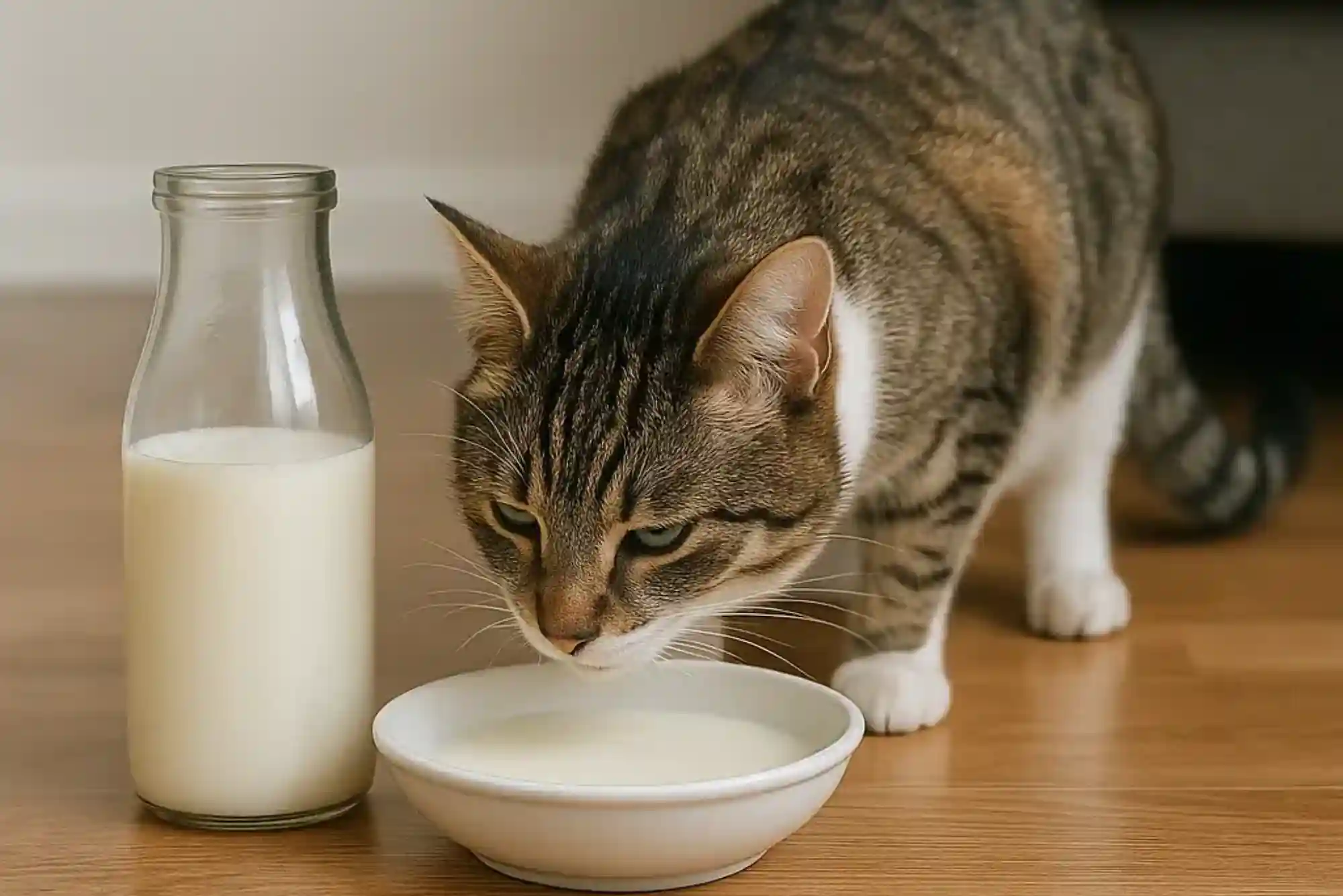
Adequate water intake supports normal digestive function and helps maintain healthy stool consistency. Cats are sometimes reluctant to drink enough water, particularly when their diet consists largely of dry food.
Provide clean, fresh water in several easily accessible locations. Some cats prefer running water, so a properly maintained pet water fountain may encourage drinking.
Wet food can also contribute significantly to daily water intake. If you are changing your cat’s diet, make changes gradually and choose a nutritionally complete food appropriate for your cat’s age and health.
Feed a Balanced, Appropriate Diet
Diet plays an important role in digestive health. A nutritionally balanced diet provides the nutrients a cat needs while supporting normal gastrointestinal function.
Some commercial cat foods are specifically formulated to help manage hairball concerns and may contain ingredients designed to support the movement of swallowed hair through the digestive tract. These products are not appropriate for every cat, however, so dietary changes should be discussed with a veterinarian if your cat has an ongoing digestive problem.
Avoid adding large amounts of fibre or human foods without professional guidance. More fibre is not automatically better, and an inappropriate dietary change can cause diarrhoea, constipation, or other digestive problems.
Encourage Exercise and Mental Stimulation
Exercise does not directly remove hairballs, but an active, stimulated cat may be less likely to groom excessively out of boredom.
Interactive toys, climbing areas, puzzle feeders, scratching surfaces, and regular play sessions can provide valuable enrichment. Rotate toys occasionally so your cat continues to find them interesting.
If excessive grooming continues despite environmental improvements, investigate the cause rather than assuming your cat is simply “cleaning itself too much.”
How to Treat Hairballs in Indoor Cats
If your cat occasionally produces a typical hairball but otherwise behaves normally, treatment may not be necessary beyond monitoring and improving prevention.
However, there is an important distinction between coughing or retching without producing anything and actually vomiting a hairball. Repeated unproductive retching can sometimes indicate a respiratory or gastrointestinal problem.
Monitor Your Cat After a Hairball
After bringing up a hairball, many cats quickly return to their normal behaviour. They may eat, drink, play, and use the litter box normally.
Give your cat access to fresh water and continue its normal feeding routine unless your veterinarian recommends otherwise. Avoid immediately introducing multiple supplements or home remedies.
If hairballs become frequent, keep a simple record of when they occur and whether you notice changes in appetite, stool, grooming, or behaviour. This information can be useful during a veterinary consultation.
Be Careful With Hairball Remedies
Hairball pastes, gels, and supplements are widely marketed for cats. Some products are designed to lubricate the digestive tract or provide additional dietary fibre, but they should not automatically be considered suitable for every cat.
Follow the product label carefully and speak with your veterinarian if your cat has chronic vomiting, constipation, diarrhoea, weight loss, or another health problem.
Never give a cat human laxatives, oils, or other household remedies unless specifically instructed by a veterinarian. A product that is safe for people may be inappropriate or dangerous for cats.
When Are Hairballs a Sign of a Bigger Problem?
Knowing when a hairball is more than a routine nuisance is one of the most important parts of responsible cat care.
A cat that repeatedly vomits, stops eating, becomes unusually quiet, loses weight, has persistent constipation, or repeatedly retches without producing a hairball should be assessed by a veterinarian.
In some cases, repeated vomiting can be associated with gastrointestinal disease, foreign-body obstruction, inflammatory conditions, parasites, food-related problems, or other medical issues. Excessive grooming may also result from allergies, parasites, skin disease, anxiety, or discomfort.
Signs That Need Veterinary Attention
Contact your veterinarian if your cat has frequent or persistent vomiting, significant appetite changes, lethargy, unexplained weight loss, abdominal discomfort, persistent constipation, diarrhoea, or repeated attempts to vomit without producing anything.
A suspected intestinal blockage can be an emergency. If your cat appears seriously unwell, has severe abdominal pain, repeatedly vomits, or cannot keep food or water down, seek veterinary care promptly.
Hairballs should never be used as an explanation for every episode of vomiting.
The Connection Between Grooming and Digestive Health
Grooming and digestion are closely connected because swallowed fur must ultimately travel through the gastrointestinal tract.
A healthy digestive system can move swallowed hair along with other intestinal contents. Problems with normal gastrointestinal movement may make it more difficult for material to pass efficiently.
For readers researching Feline Digestive Motility, reputable veterinary resources such as PetMD can provide additional educational information. If you are concerned that your cat’s digestive system is not functioning normally, however, online information should complement—not replace—a veterinary examination.
How Stress Can Contribute to Hairballs
Stress is another factor worth considering when a cat suddenly starts grooming excessively.
Cats may respond to changes such as moving house, introducing another pet, changing routines, loud noises, or limited access to safe resting spaces. Some cats respond to stress by repeatedly licking particular areas of their body.
If you notice bald patches, irritated skin, broken hairs, or persistent licking, arrange a veterinary assessment. Skin disease and parasites can look similar to stress-related over-grooming, so identifying the actual cause matters.
Providing hiding areas, elevated resting places, predictable routines, play opportunities, and calm interaction can help create a more comfortable indoor environment.
A Practical Hairball Prevention Routine
A consistent routine is more useful than relying on a hairball remedy only after your cat becomes sick.
Brush your cat according to its coat type and increase grooming during heavy shedding. Keep water fresh and easily accessible, and provide nutritionally complete food appropriate for your cat. Give your cat regular opportunities for exercise and play, while monitoring for excessive grooming.
Clean the litter box regularly so you can notice changes in stool frequency or consistency. These small observations can provide valuable clues about your cat’s digestive health.
If hairballs become more frequent despite good grooming and care, speak with a veterinarian instead of continually adding new products to your cat’s routine.
For more general pet-care information and practical animal health topics, you can also visit Mydairy.
Common Mistakes Cat Owners Should Avoid
One common mistake is assuming that every vomiting episode is caused by a hairball. A cat can have a serious medical condition while appearing to be “trying to bring up a hairball.”
Another mistake is brushing only when visible shedding becomes severe. Regular grooming works better as a preventative habit.
Some owners also give too many hairball products at once. Combining several supplements, fibre products, oils, or laxative-type treatments without professional guidance can create new digestive problems.
Finally, never ignore behavioural changes. Increased grooming may be the visible symptom of an underlying skin, digestive, or emotional problem.
Prevent Hairballs Before They Become a Problem
Learning how to prevent and treat hairballs in indoor cats is mainly about good everyday care rather than relying on a quick fix. Regular brushing reduces the amount of loose fur your cat swallows, while good hydration, balanced nutrition, exercise, enrichment, and observation support overall wellbeing.
Most importantly, don’t assume that repeated vomiting is simply a hairball problem. Changes in appetite, weight, energy, bowel habits, or grooming behaviour can signal an underlying condition that deserves professional attention.
Make grooming and health monitoring part of your cat’s normal routine, and seek veterinary advice whenever hairballs become frequent, severe, or accompanied by other symptoms. With consistent preventive care and prompt attention to unusual signs, you can help your indoor cat stay comfortable, healthy, and happy.
FAQs
How often is it normal for a cat to have a hairball?
There is no single number that is normal for every cat. An occasional hairball can occur, particularly in cats with long or dense coats. Frequent or increasing hairballs, especially when accompanied by vomiting or behavioural changes, should be discussed with a veterinarian.
How can I help my cat pass a hairball?
Regular grooming, adequate hydration, and a balanced diet can support normal movement of swallowed hair through the digestive tract. Do not give human laxatives or oils unless your veterinarian specifically recommends them.
Do indoor cats get more hairballs?
Indoor cats can certainly develop hairballs. Their grooming habits, coat type, shedding, diet, activity level, and overall health all influence the likelihood. Being indoors does not automatically mean a cat will have more hairballs.
Does wet food help with hairballs?
Wet food can increase a cat’s overall water intake, which supports normal hydration and digestive function. It is not a guaranteed hairball treatment, but maintaining good hydration can be an important part of general digestive care.
What should I do if my cat keeps trying to cough up a hairball?
Repeated coughing or retching without producing a hairball should not automatically be blamed on hair. Respiratory problems and gastrointestinal conditions can cause similar signs. If the behaviour is persistent or your cat seems unwell, contact a veterinarian.
Are hairballs dangerous for cats?
Occasional hairballs are usually not dangerous in an otherwise healthy cat. Problems arise when hair accumulates and contributes to gastrointestinal obstruction or when repeated vomiting is actually caused by another illness. Persistent symptoms require veterinary evaluation.
Related Reading: How to Stop Cats from Scratching Furniture: Scratching Post Setup