Introduction
Cats are absolute masters at hiding physical discomfort. In the wild, showing vulnerability makes a feline an easy target for larger predators. Because of this evolutionary trait, your domestic feline will naturally mask distress for as long as possible. Consequently, understanding How to Tell If Your Cat Is in Pain: Subtle Subtle Signs of Feline Sickness is vital for every responsible cat owner.
Many owners wait for obvious symptoms like limping or loud crying. However, feline suffering rarely manifests through loud vocalizations or overt distress. Instead, pain reveals itself through minor shifts in daily habits, body language, and temperament. Learning how to spot these quiet warnings ensures your companion receives timely veterinary intervention before a manageable issue turns into a severe health crisis.
Deciphering Changes in Feline Behavior and Mood
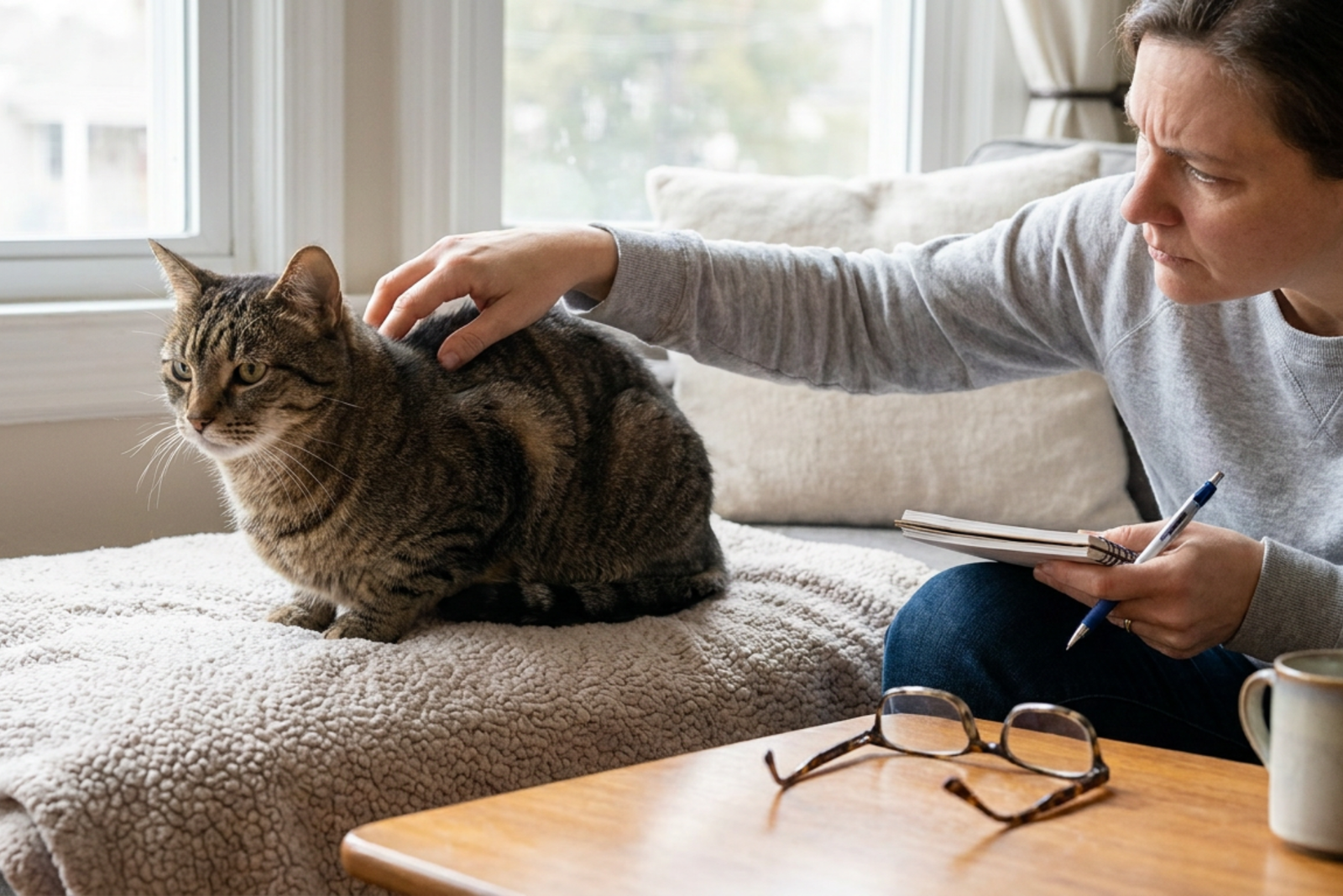
A sudden shift in your cat’s usual personality often serves as the initial warning sign of discomfort. If a normally affectionate feline begins isolating themselves under beds or inside dark closets, they are likely attempting to self-soothe away from household activity. Conversely, an independent cat might suddenly become unusually clingy, constantly seeking reassurance from family members. Uncharacteristic irritability or sudden aggression should never be dismissed as simple bad behavior. When a cat experiences joint stiffness or internal soreness, routine petting can cause intense discomfort. If your feline hisses, swats, or growls when you touch specific areas like their back or belly, they are directly communicating that physical contact hurts.
Restlessness can also indicate hidden physical distress. A cat in discomfort may pace continuously, struggle to settle down, or frequently shift positions while trying to rest. Recognizing these subtle shifts allows you to address underlying issues early. Understanding How to Tell If Your Cat Is in Pain: Subtle Subtle Signs of Feline Sickness helps you protect your pet from lingering health problems.
Subtle Changes in Grooming Habits
Felines spend a significant portion of their waking hours keeping their coats clean. When sickness or pain strikes, these meticulously maintained grooming habits are among the first routines to collapse. Watching how your pet cares for their fur offers immediate insight into their overall physical condition.
Under-grooming usually occurs when arthritis or spinal stiffness prevents a cat from twisting flexibly. You may notice matted fur, greasy patches, or localized dandruff along their lower back and hindquarters. An unkempt coat is a classic indicator that moving or bending causes significant physical discomfort. On the other hand, over-grooming can signal localized pain or nerve irritation. A cat experiencing joint inflammation or bladder discomfort may lick a single spot repeatedly. This continuous grooming often results in bald patches, red skin, or self-inflicted raw sores. Paying close attention to grooming changes helps you catch internal problems early.

Mobility Shifts and Altered Resting Postures
Mobility changes in cats are frequently misdiagnosed as routine signs of aging. However, growing old is not inherently painful, and subtle movement alterations usually point directly to conditions like osteoarthritis or soft tissue injuries. Identifying these physical limits requires observant eyes in a home environment. Cats struggling with joint or spinal pain rarely develop obvious limps. Instead, they adjust how they navigate their surroundings. You might notice your feline hesitating before jumping onto a favorite windowsill or using intermediate furniture like chairs as stepping stones. They may also take stairs very slowly or stop climbing entirely.
Pay close attention to how your pet rests. A comfortable, healthy cat sleeps fully stretched out with relaxed muscles. In contrast, a cat experiencing sickness or pain sits in a tightly hunched posture with their paws tucked beneath their chest and their head held lower than their shoulders. This stiff, guarded stance helps protect sore internal organs or aching limbs.
Reading Facial Expressions and the Feline Grimace Scale
Veterinarians use a scientific framework called the Feline Grimace Scale to evaluate subtle facial expressions that indicate physical distress. A cat’s face reveals deep insights into their comfort levels if you know what visual markers to look for. First, examine ear position. A relaxed cat holds their ears facing forward and fully upright. When experiencing mild to severe pain, the ears rotate outward, flatten sideways, or pull backward tight against the head. Next, observe their eyes. Squinting, heavy-lidded eyes, or a fixed, glazed stare often point directly to active physical suffering.
Muzzle tension and whisker position offer further clues. A hurting feline displays a pinched, tight muzzle instead of a soft, rounded face. Additionally, their whiskers pull back tightly against the cheeks or bunch together and point straight forward rather than draping downward naturally. Learning these subtle markers makes studying How to Tell If Your Cat Is in Pain: Subtle Subtle Signs of Feline Sickness much easier for dedicated owners.
Changes in Appetite and Litter Box Habits
Disruption in eating routines or elimination habits is a clear indicator that something is wrong with your feline. Because cats have delicate metabolisms, even small disruptions in nutrition require prompt evaluation by a veterinary professional.
A decline in food intake often stems from dental disease, nausea, or abdominal discomfort. Your cat might walk up to the food bowl, sniff eagerly, and then walk away without eating. Alternatively, dropping kibble, chewing exclusively on one side of the mouth, or excessive drooling points to severe oral pain like tooth resorption or gum inflammation. Litter box accidents are rarely acts of spite; they are almost always physical cries for help. High-sided litter boxes require jumping and squatting that arthritic joints simply cannot accommodate comfortably. Furthermore, conditions like urinary tract infections or kidney issues cause intense discomfort during urination, leading cats to associate the box itself with distress. Straining inside the box or vocalizing while eliminating constitutes a medical emergency that demands immediate attention.
Misunderstood Signals: Vocalizations and Purring
Vocal patterns provide valuable clues about feline health, but they are frequently misinterpreted. While excessive meowing, growling, or howling can indicate acute pain, unusual silence from a typically chatterbox cat can be equally concerning.
The most common misconception involves purring. Most pet parents assume purring exclusively signals happiness and contentment. However, cats also purr to self-soothe when experiencing severe physical pain, intense fear, or organ trauma. Low-frequency purring releases endorphins that act as a natural internal painkiller. If your cat purrs while sitting in a stiff, hunched position with flattened ears or half-closed eyes, do not assume they are happy. Always interpret purring alongside overall body language, facial tension, and mobility to gauge your pet’s true condition.
Frequently Asked Questions
How can I tell if my cat is in pain or just getting old?
Aging is a natural process, but physical pain is a medical condition that requires treatment. If your older cat hesitates to jump, moves stiffly, or avoids stairs, they likely have arthritis or joint distress rather than simple old age.
Why do cats hide when they are sick or hurting?
Cats hide due to deep-seated survival instincts inherited from their wild ancestors. Showing weakness makes a cat vulnerable to predators, so hiding in quiet, dark spaces allows them to protect themselves while feeling unwell.
Can I give my cat human pain medication like ibuprofen or Tylenol?
No, never give human medications to a cat. Common human pain relievers like acetaminophen (Tylenol) and ibuprofen are extremely toxic to felines and can cause fatal liver failure or kidney damage even in tiny doses.
What position do cats lie in when they are experiencing internal discomfort?
Cats experiencing discomfort often lie in a hunched position with their back arched, paws tucked tightly under the body, and head lowered. They appear tense rather than relaxed and rarely stretch out their legs fully.
What should I do if I suspect my cat is in pain?
If you observe persistent changes in mobility, grooming, appetite, or posture, record brief videos of the behavior and schedule an examination with your veterinarian right away.
Conclusion
Recognizing How to Tell If Your Cat Is in Pain: Subtle Subtle Signs of Feline Sickness is an essential skill for protecting your pet’s long-term health and well-being. Because felines naturally conceal physical distress, you must pay close attention to subtle behavioral shifts, altered grooming routines, changes in mobility, and tense facial expressions. Spotting these quiet warning signs early allows you to seek professional care before minor issues turn into severe medical emergencies.
Related Reading: Feline Diabetes Symptoms: Excessive Thirst, Weight Loss, and Insulin