Introduction
Cat dental health plays an important role in a cat’s comfort, appetite, and overall well-being. However, dental problems often develop quietly before owners notice anything unusual. Gingivitis and tooth resorption are two common oral conditions that can cause significant discomfort. Without proper attention, these problems may interfere with eating and daily activities.
Understanding the signs of gingivitis and tooth resorption helps cat owners recognize potential problems early. Although both conditions affect the mouth, they develop differently and require appropriate veterinary care. Regular dental examinations can identify hidden issues before they become more serious.
This guide explains the causes, warning signs, diagnosis, treatment, and prevention of these dental conditions. With the right approach, you can help your cat maintain a healthier and more comfortable mouth.
Understanding Cat Dental Health
Cat dental health involves maintaining healthy teeth, gums, and surrounding oral tissues. Just like humans, cats can develop plaque, gum inflammation, damaged teeth, and painful oral conditions. However, cats often hide discomfort, making dental problems difficult to recognize.
Plaque forms when bacteria and food particles accumulate on the teeth. If plaque remains, it can harden into tartar and irritate the gums. Over time, this irritation may contribute to gingivitis and other periodontal problems.
Tooth resorption is different because the tooth structure gradually breaks down. It can affect the crown, root, or both. The exact cause remains incompletely understood, and the condition is not simply a result of poor dental hygiene.

Maintaining good cat dental health requires regular veterinary examinations and appropriate home care. Recognizing subtle behavioral changes is equally important.
What Is Gingivitis in Cats?
Gingivitis is inflammation of the gums surrounding the teeth. It is commonly associated with plaque accumulation and the body’s inflammatory response to bacteria along the gumline.
Healthy feline gums generally appear pink and fit closely around the teeth. In contrast, gingivitis can make the gum tissue red, swollen, and sensitive. The inflammation may initially affect only a small area, but it can spread if the underlying cause remains untreated.
Common Signs of Cat Gingivitis
Redness along the gumline is one of the earliest visible signs. The gums may appear swollen, particularly where they meet the teeth. Some cats develop bleeding gums, especially when chewing or brushing.
Bad breath is another warning sign. Although a cat’s breath may not smell pleasant, persistent or unusually strong odors can indicate oral disease.
Cats with gingivitis may also drool more than usual or show reluctance to eat hard food. Some turn their heads while chewing or drop food from their mouths. Others may paw at their faces or resist having their mouths touched.
Behavioral changes can also indicate discomfort. A normally affectionate cat might become irritable or withdraw from interaction. These signs are not exclusive to gingivitis, so a veterinary examination is necessary to identify the cause.
What Causes Gingivitis in Cats?
Plaque accumulation is a major contributor to ordinary gingivitis. Bacteria within plaque irritate the gum tissue, triggering inflammation. When plaque hardens into tartar, professional dental cleaning may be necessary.
Other factors can contribute to gum inflammation. These include certain infections, underlying illnesses, and more complex inflammatory conditions affecting the mouth.
Some cats develop severe inflammation despite having relatively little visible plaque. This may indicate a broader condition, such as feline chronic gingivostomatitis, which requires veterinary assessment.
Gingivitis should not be ignored simply because a cat continues eating. Cats can experience substantial oral discomfort while maintaining apparently normal routines.
What Is Tooth Resorption in Cats?
Tooth resorption is a painful condition in which the body gradually breaks down a cat’s tooth structure. It is relatively common in cats, particularly as they grow older, although younger cats can also develop it.
Unlike ordinary cavities, tooth resorption involves the destruction of dental tissue through cells called odontoclasts. These cells normally participate in certain tooth-remodeling processes but can cause abnormal damage when resorption develops.
The condition may begin beneath the gumline. Consequently, an affected tooth can appear normal during an ordinary visual inspection. As the damage progresses, sensitive areas may become exposed or the tooth crown may break down.
Signs of Tooth Resorption in Cats
Tooth resorption can be difficult to detect at home because its early stages often produce no obvious external changes. Some cats show discomfort when eating, especially when food touches an affected tooth.
Others suddenly prefer soft food or chew on one side of their mouths. Drooling, swallowing difficulties, and dropping food may also occur.
A particularly important warning sign is a sudden jaw-chattering response when a veterinarian examines an affected tooth. This reaction can occur when a sensitive resorptive lesion is touched.
Visible tooth defects may develop as the condition progresses. The gums can grow over parts of a damaged crown, creating an unusual appearance near the gumline. However, not every affected tooth displays these changes.
Cats may continue grooming and behaving normally despite significant pain. Therefore, the absence of obvious symptoms does not rule out tooth resorption.
Why Does Tooth Resorption Develop?
The exact cause of feline tooth resorption remains uncertain. Researchers have investigated several possible contributing factors, but no single explanation accounts for every case.
Tooth resorption is not simply caused by tartar or inadequate brushing. A cat can develop this condition even when its teeth appear relatively clean.
Age may influence the likelihood of finding dental problems, but tooth resorption can affect cats at different life stages. Genetics, biological processes, and other factors remain areas of investigation.
Because the condition destroys tooth structure, home dental care cannot reverse an existing lesion. Veterinary diagnosis and appropriate treatment are essential.
Gingivitis vs. Tooth Resorption: Understanding the Difference
Gingivitis primarily affects the gums, causing inflammation, redness, swelling, and sometimes bleeding. In its early stages, it may improve when plaque is professionally removed and effective dental care is established.
Tooth resorption, however, damages the tooth itself. The destruction can occur below the gumline, making the condition difficult to identify without dental imaging.
Both conditions can cause bad breath, drooling, reduced appetite, and changes in chewing behavior. Therefore, symptoms alone cannot reliably distinguish between them.
A cat may also experience gingivitis and tooth resorption simultaneously. This makes a comprehensive oral examination particularly valuable.
If your cat develops persistent mouth pain, bleeding, or difficulty eating, arrange a veterinary appointment promptly. Sudden inability to eat, significant facial swelling, or severe bleeding warrants urgent veterinary attention.
How Veterinarians Diagnose Dental Problems
A veterinarian usually begins by reviewing the cat’s symptoms and examining its mouth. They may assess gum inflammation, visible tooth damage, plaque, tartar, and signs of pain.
However, an awake examination cannot always reveal the full extent of dental disease. Cats may resist examination because their mouths are sensitive, and many lesions remain hidden beneath the gums.
Dental radiographs taken under general anesthesia are especially important for diagnosing tooth resorption. They help veterinarians evaluate the tooth roots and surrounding bone.
These images can reveal changes that are invisible during a routine visual examination. They also help determine the most appropriate treatment for each affected tooth.
Depending on the cat’s age and medical history, the veterinarian may recommend blood tests before anesthesia. This helps assess general health and identify potential risks.
Treatment Options for Gingivitis and Tooth Resorption
Treatment depends on the condition’s severity, the affected teeth, and the cat’s overall health.
For plaque-related gingivitis, professional dental cleaning can remove plaque and tartar. The veterinarian may also recommend a home dental routine to reduce future accumulation.
If another condition contributes to the inflammation, that underlying problem must also be addressed. Severe oral inflammation may require additional treatment and ongoing veterinary monitoring.
Tooth resorption usually requires a different approach. When a tooth is painful or significantly damaged, extraction is commonly recommended. The veterinarian determines the appropriate technique using dental radiographs and the tooth’s anatomy.
Some teeth have roots that are already undergoing extensive resorption. In selected cases, a veterinarian may recommend a procedure called crown amputation with intentional root retention. This is appropriate only when specific radiographic and clinical criteria are met.
Pain relief is an important part of treatment. Veterinarians may prescribe suitable medication before or after dental procedures.
Never give your cat human painkillers without veterinary direction. Several common human medications can be highly toxic to cats.
Although extraction may sound worrying, cats generally adapt well to living without painful teeth. Many become more comfortable and return to eating normally after recovery.
How to Support Your Cat’s Dental Health at Home
Consistent home care helps reduce plaque accumulation and supports long-term oral health. Begin by getting your cat comfortable with gentle handling around its cheeks and mouth.
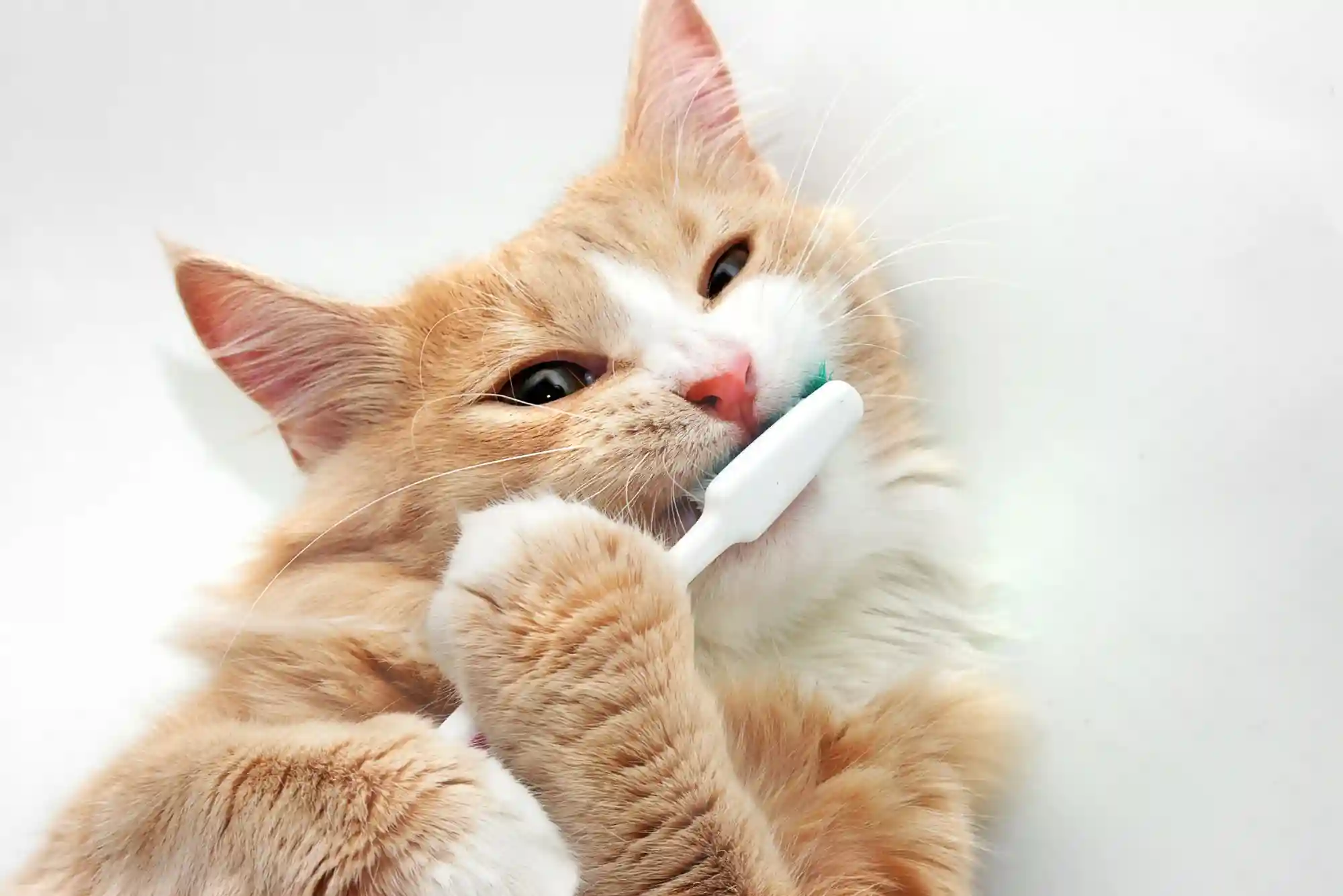
Once your cat accepts this, introduce a toothbrush designed for cats and veterinary-approved toothpaste. Human toothpaste should not be used because its ingredients may be unsafe if swallowed.
Start slowly and reward calm behavior. Even short brushing sessions can help establish a routine. Daily brushing is ideal when tolerated, but any suitable routine should be introduced gradually.
Dental diets, treats, and other products may provide additional support. Choose products specifically designed for feline dental care, and ask your veterinarian which options suit your cat.
Home care cannot cure established tooth resorption or replace professional treatment for significant dental disease. Regular veterinary examinations remain essential, even when your cat appears healthy.
Frequently Asked Questions
What are the first signs of gingivitis in cats?
The earliest signs often include red gums, mild swelling, and persistent bad breath. Some cats develop gum bleeding or sensitivity around the teeth. A veterinary examination can confirm whether gingivitis or another oral condition is responsible.
Is tooth resorption painful for cats?
Yes, tooth resorption can be extremely painful, particularly when sensitive tooth structures become exposed. However, some cats show very few outward signs. Veterinary examination and dental radiographs help identify affected teeth.
Can gingivitis in cats go away on its own?
Gingivitis generally should not be left untreated in the hope that it will disappear. Plaque-related inflammation may improve after professional cleaning and appropriate home care. Persistent or severe inflammation requires veterinary investigation.
How do veterinarians treat tooth resorption in cats?
Treatment commonly involves extracting affected teeth when they cause pain or significant damage. Dental radiographs help determine the extent of resorption and guide treatment decisions. Selected cases may qualify for crown amputation with intentional root retention.
How can I keep my cat’s teeth healthy?
Brush your cat’s teeth regularly with feline toothpaste, provide veterinarian-approved dental products, and schedule routine oral examinations. Professional cleaning may be necessary when plaque and tartar accumulate. Home care helps prevent plaque-related disease but cannot eliminate every dental risk.
Conclusion
Cat dental health deserves consistent attention because gingivitis and tooth resorption can cause significant discomfort. Although both conditions affect the mouth, they develop differently and require appropriate diagnosis and treatment.