Introduction
Cats are obligate carnivores, meaning they depend on nutrients naturally found in animal tissues. Their bodies require specific nutrients, including taurine, arachidonic acid, and preformed vitamin A. These nutritional needs make feline diets different from those designed for dogs or humans.
The topic of Raw Diet for Cats (Obligate Carnivores): Recipes and Safety Rules attracts pet owners seeking alternatives to conventional cat food. Some believe raw meat better resembles what cats eat in the wild. However, a natural-looking diet does not automatically provide complete nutrition or guarantee better health.
Understanding the benefits, limitations, and potential dangers is essential before changing your cat’s meals. This guide explains feline nutritional requirements, safer feeding options, recipe considerations, and practical food safety rules.
Understanding Raw Diets for Obligate Carnivores
A raw diet typically contains uncooked animal ingredients. These may include muscle meat, organs, edible bones, and selected supplements. Some formulations also contain eggs or other animal-derived ingredients.
Cats naturally obtain nutrients from animal prey. Nevertheless, domestic cats have specific nutritional requirements that must be met consistently. A diet containing only chicken, beef, or fish cannot reliably provide everything a cat needs.
Why Cats Need Animal-Based Nutrition
Cats require taurine for normal vision, heart function, reproduction, and other essential processes. They also need adequate protein, essential fatty acids, calcium, phosphorus, and several vitamins.

Unlike many other animals, cats cannot efficiently produce certain nutrients from basic dietary ingredients. For example, they require preformed vitamin A and dietary arachidonic acid.
A poorly formulated raw diet may cause serious nutritional deficiencies over time. Therefore, nutritional completeness matters more than whether ingredients are raw or cooked.
Common Types of Raw Diets
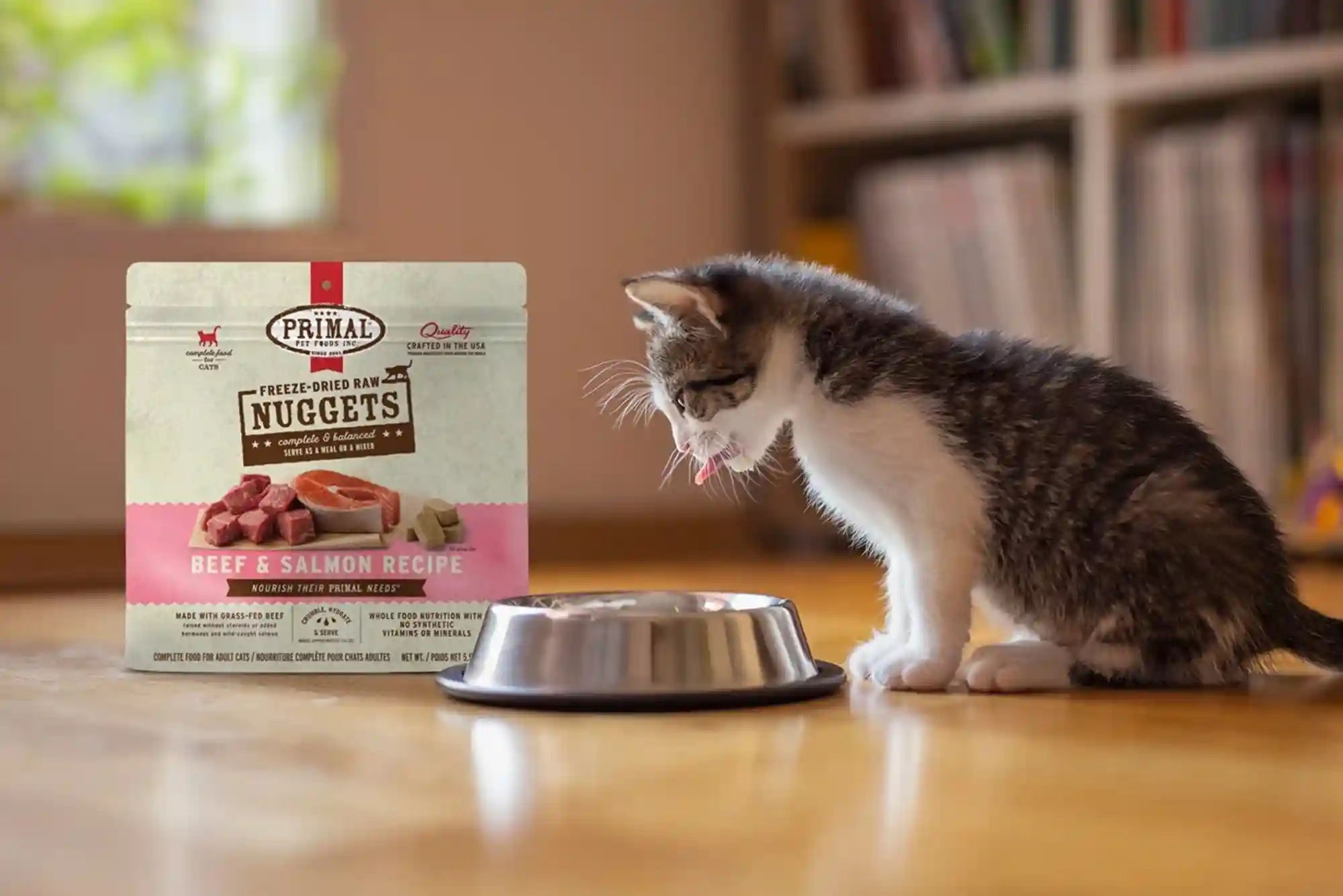
Commercial raw diets may be sold frozen, freeze-dried, or refrigerated. Some products are formulated to provide complete and balanced nutrition for a particular life stage. Others are intended only for supplemental feeding.
Homemade raw diets allow owners to select individual ingredients. However, they require careful formulation and precise preparation. Even seemingly minor ingredient substitutions can change the nutritional balance.
Potential Benefits and Risks of Raw Diets for Cats
Some owners report improvements in their cats’ appetite, food acceptance, or stool characteristics after changing diets. However, these observations do not establish that raw feeding is healthier than a complete, balanced cooked diet.
Raw ingredients may retain certain heat-sensitive nutrients, although nutrient availability depends on the ingredient and preparation method. Properly formulated cooked diets can also meet feline nutritional requirements.
Understanding the Potential Benefits
A well-formulated diet can support healthy muscle maintenance, energy levels, and normal body functions. Cats that dislike a particular food may also respond positively to a different texture or flavor.
However, these benefits depend on nutritional quality rather than rawness alone. There is insufficient evidence that raw diets consistently improve overall feline health compared with balanced commercial diets.
Recognizing the Health Risks
Raw meat can contain harmful bacteria, including Salmonella, Listeria, and pathogenic strains of Escherichia coli. Cats may become ill or shed these organisms without obvious symptoms.
Raw feeding also creates potential exposure risks for people handling food or cleaning litter trays. Children, older adults, pregnant people, and immunocompromised individuals face greater risks from foodborne infections.
Another concern involves nutritional imbalance. Excessive calcium, inadequate taurine, or incorrect vitamin levels can cause serious health problems. Bones may also cause dental fractures, choking, or gastrointestinal injuries.
For these reasons, the American Veterinary Medical Association and other veterinary organizations discourage feeding cats animal-source proteins that have not undergone pathogen-eliminating treatment.
Raw Diet for Cats: Essential Nutritional Requirements
A suitable feline diet must provide every essential nutrient in appropriate amounts. Simply combining several animal ingredients does not guarantee nutritional completeness.
Protein and Taurine
Cats require substantial dietary protein to maintain tissues and support normal metabolism. Animal proteins can supply essential amino acids needed for these functions.
Taurine deserves particular attention because cats cannot produce enough to meet their requirements independently. Insufficient taurine can contribute to retinal degeneration and dilated cardiomyopathy.
Heart tissue contains taurine, but adding heart meat alone does not guarantee adequate levels in a finished recipe. Processing, ingredient proportions, and the overall formulation all matter.
Calcium and Phosphorus
Calcium and phosphorus support bones, teeth, muscles, and other physiological processes. Their amounts and ratio must remain appropriate for the cat’s life stage.
Muscle meat alone generally provides too little calcium relative to phosphorus. Although raw bones contain minerals, they introduce additional safety risks and do not automatically create a balanced diet.
A properly formulated recipe should obtain these minerals from accurately measured, nutritionally appropriate sources.
Vitamins and Essential Fatty Acids
Cats need vitamins A, D, E, and several B vitamins. They also require essential fatty acids to support healthy skin, normal metabolism, and other body functions.
Liver provides vitamin A and other nutrients, but excessive amounts can cause toxicity. Fish oils may supply omega-3 fatty acids, although supplementation requires appropriate dosing.
Consequently, raw feeding should involve a complete formulation rather than guesswork.
Raw Diet Recipes for Cats: Safer Preparation Approaches
Pet owners searching for raw diet recipes for cats should prioritize nutritional completeness and pathogen control. A recipe containing chicken, liver, and supplements may appear straightforward. However, ingredient proportions must be calculated for the finished diet.
Important: The following examples are ingredient concepts, not complete recipes. They should not be fed as a cat’s sole diet without veterinary nutritionist formulation.
Chicken-Based Recipe Concept
A chicken-based formulation might use chicken muscle meat and selected organ ingredients. A qualified veterinary nutritionist would calculate the required amounts of taurine, calcium, vitamins, essential fatty acids, and other nutrients.
The final formulation would also account for the cat’s age, body weight, activity level, and medical history.
Raw chicken should not be assumed safe because it looks fresh or comes from a reputable butcher. It can carry harmful microorganisms despite normal appearance and smell.
A nutritionally complete cooked chicken-based diet is a safer alternative when prepared according to a veterinary nutritionist’s recipe.
Turkey-Based Recipe Concept
Turkey can provide animal protein for a feline diet. However, turkey muscle meat alone cannot meet all essential nutrient requirements.
A professionally formulated turkey-based diet may include carefully measured supplements and other ingredients. These additions must follow the precise formulation rather than general online recommendations.
Avoid adding cooked bones, seasoned leftovers, onion, garlic, or sauces. Some common human-food ingredients can harm cats, while bones may cause injuries.
Fish-Based Recipe Concept
Fish may contribute protein and beneficial fatty acids. Nevertheless, a fish-only diet can be nutritionally unbalanced and may create additional concerns when fed excessively.
Some fish contain enzymes that can affect thiamine availability when consumed raw. Certain fish also accumulate contaminants, depending on their species and environment.
Fish should therefore be used according to a complete dietary formulation. A veterinarian can help determine whether a fish-based food suits your cat’s individual needs.
Essential Safety Rules for Raw Feeding
Food safety remains critical even when ingredients appear fresh. Freezing does not reliably eliminate every harmful pathogen, and careful handling cannot make contaminated raw meat completely safe.
Choose Nutritionally Complete Products
If you are considering commercial raw food, check whether its label identifies it as complete and balanced for your cat’s life stage. A product labeled for intermittent or supplemental feeding should not automatically replace the main diet.
Look for transparent nutritional information and clear manufacturer quality-control practices. Discuss the product with your veterinarian before introducing it.
Follow Strict Hygiene Practices
Keep raw pet food separate from human food during storage and preparation. Use dedicated utensils and wash hands thoroughly after handling raw ingredients.
Clean and disinfect food-preparation surfaces, bowls, and other equipment. Refrigerate or freeze products according to their instructions, and discard food left at room temperature for too long.
Do not rinse raw meat in the sink because splashing can spread contamination. Keep raw food away from children and other vulnerable household members.
Avoid Unsafe Bones and Ingredients
Never assume bones are safe simply because they are uncooked. Raw bones can still cause choking, broken teeth, intestinal obstruction, and digestive tract injuries.
Avoid unbalanced meat-only diets and unmeasured supplement mixtures. Excessive liver, incorrect calcium supplementation, or inappropriate vitamin doses can create serious nutritional problems.
Introduce Dietary Changes Carefully
Sudden dietary changes may cause digestive upset. Discuss the transition with your veterinarian, particularly if your cat has an existing health condition.
Monitor appetite, body weight, stool quality, and general behavior. Persistent vomiting, diarrhea, weakness, or reduced appetite warrants veterinary advice.
Is a Raw Diet Suitable for Every Cat?
Raw diets are not appropriate for every cat or household. Kittens have demanding growth requirements, making nutritional accuracy especially important. Pregnant and nursing cats also need diets formulated for their specific life stages.
Cats with chronic illnesses may require carefully controlled nutrition. A raw diet can introduce additional complications when an animal has digestive, immune, kidney, or other health concerns.
Households with young children, older adults, pregnant people, or immunocompromised residents should be particularly cautious about raw pet food. A complete commercial cooked diet can offer a safer way to meet feline nutritional needs.
Before making a decision, discuss your cat’s nutritional requirements and health status with a veterinarian. A board-certified veterinary nutritionist can formulate a balanced homemade diet when needed.
Frequently Asked Questions
Is a raw diet good for obligate carnivores like cats?
Cats need animal-derived nutrients, but raw meat is not essential for meeting those needs. A complete, balanced cooked diet can provide the protein, taurine, vitamins, and minerals cats require.
What is the safest raw food for cats?
No raw animal product is guaranteed pathogen-free. If you choose a commercial raw product, consult your veterinarian and check its nutritional adequacy and pathogen-control procedures. A complete cooked diet generally carries a lower foodborne infection risk.
Can cats eat raw chicken every day?
Raw chicken alone is not a complete feline diet. It may contain harmful bacteria and lacks the correct balance of several essential nutrients. Daily feeding should only follow a professionally formulated nutritional plan.
Do cats need taurine in their diet?
Yes. Taurine is an essential nutrient for cats and supports normal vision, heart function, and reproduction. A diet lacking adequate taurine can cause serious health problems.
Can I make a balanced raw diet for my cat at home?
It is possible to formulate a nutritionally complete homemade diet, but doing so requires professional guidance. A veterinary nutritionist can calculate ingredient quantities and supplement requirements. Raw preparation still carries infection risks, even when the formulation is nutritionally complete.
Conclusion
Understanding the Raw Diet for Cats (Obligate Carnivores): Recipes and Safety Rules means recognizing both feline nutritional needs and the risks associated with uncooked animal products.