Introduction
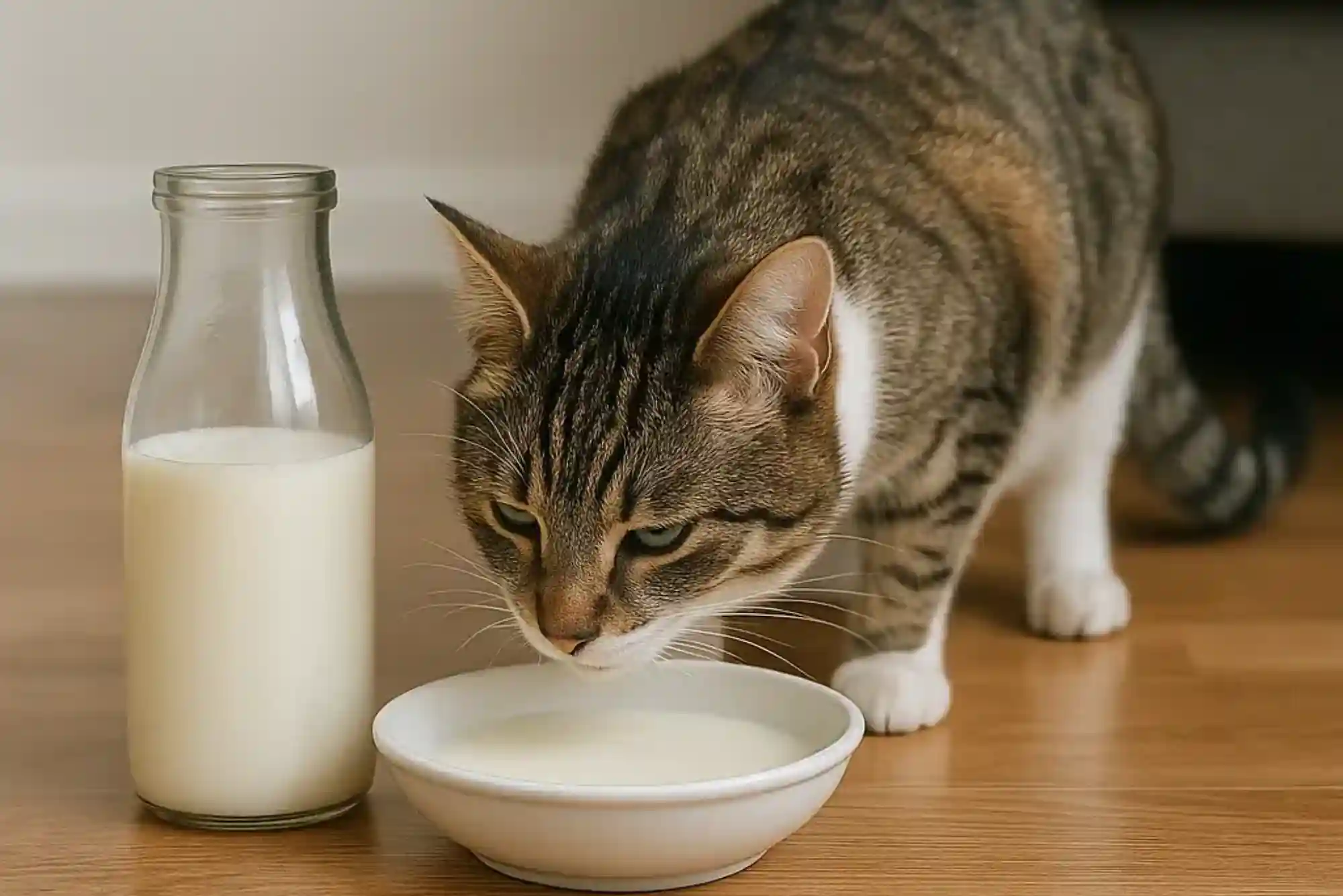
Many people picture a happy cat drinking milk from a small bowl. This familiar image makes milk seem like a natural treat for cats. However, the reality is quite different. Can cats drink milk? Lactose intolerance and safe hydration are important topics for every responsible cat owner.
Most adult cats cannot digest milk properly because they produce less lactase. This enzyme helps break down lactose, the natural sugar found in milk. Consequently, drinking milk can cause digestive discomfort, diarrhea, and bloating. Although some cats tolerate small amounts, milk is not necessary for their health.
Fresh water remains the best everyday drink for cats. Understanding lactose intolerance helps owners make better decisions about their pets’ nutrition. This guide explains why cats react to milk, which alternatives are safer, and how to encourage healthy hydration.
Can Cats Drink Milk Safely?
The short answer is that most adult cats should not drink cow’s milk regularly. While a small amount might not cause problems, many cats experience digestive upset afterward. Their tolerance depends on individual digestive health and the amount consumed.
Kittens drink their mother’s milk during early development. However, their ability to digest lactose gradually decreases after weaning. As they grow, their digestive systems become less suited to processing ordinary dairy milk.
Cow’s milk also contains calories and fat that cats do not need from drinks. Regularly offering milk can contribute to excessive calorie intake. Therefore, milk should never replace a balanced, complete feline diet.

Some cats appear to enjoy milk without showing obvious symptoms. Nevertheless, this does not mean milk provides meaningful nutritional benefits. Water is a much better choice for maintaining everyday hydration.
Understanding Lactose Intolerance in Cats
Lactose intolerance occurs when an animal cannot digest lactose efficiently. Lactose is a sugar naturally present in milk and other dairy products. The digestive enzyme lactase breaks lactose into simpler sugars that the body can absorb.
Kittens generally produce enough lactase to digest their mother’s milk. After weaning, lactase production often declines. As a result, many adult cats struggle to digest the lactose in cow’s milk.
When undigested lactose reaches the large intestine, intestinal bacteria ferment it. This process can produce gas and abdominal discomfort. Undigested lactose also draws water into the intestines, potentially causing diarrhea.
Common Signs of Lactose Intolerance
Symptoms can develop within several hours of drinking milk, although timing varies. Affected cats may experience diarrhea, gas, bloating, or vomiting. Some also show abdominal discomfort or changes in appetite.
The severity depends on the cat’s lactose tolerance and the quantity consumed. A small serving might cause no visible reaction in one cat. However, the same amount could upset another cat’s stomach.
If symptoms appear after drinking milk, avoid offering it again. Persistent diarrhea, repeated vomiting, blood in the stool, or unusual weakness requires veterinary attention. Kittens and older cats can become dehydrated more quickly.
Why Do Cats Love Drinking Milk?
Cats may eagerly approach milk because they enjoy its smell, taste, and creamy texture. Milk contains fat and proteins that can make it appealing. Its familiar association with kittenhood may also influence how people interpret feline behavior.
However, enjoying a food does not mean it is beneficial. Cats often show interest in foods that their digestive systems cannot tolerate well. Owners should prioritize nutritional needs instead of relying on their pets’ enthusiasm.
Cats are obligate carnivores, meaning they require nutrients found naturally in animal tissues. Their nutritional requirements are best met through complete and balanced cat food. Milk does not provide a necessary advantage over an appropriate feline diet.
If your cat begs whenever you pour cereal or prepare breakfast, avoid sharing your milk. Instead, offer fresh water or a small portion of a suitable cat treat.
Is Milk Good for Kittens?
Young kittens have different nutritional needs from adult cats. During their earliest weeks, their mother’s milk supplies essential nutrients, energy, and antibodies. When their mother is unavailable, an appropriate commercial kitten milk replacer is generally recommended.
Why Cow’s Milk Is Not Suitable for Kittens
Cow’s milk differs from cat milk in its nutrient composition. It does not provide the appropriate balance of nutrients required by growing kittens. It may also cause diarrhea, which can become dangerous in very young animals.
Orphaned kittens should receive a milk replacer formulated specifically for kittens. Follow veterinary guidance regarding feeding amounts, frequency, and preparation. Never assume ordinary dairy milk is an adequate substitute.
As kittens grow, they gradually transition to suitable kitten food. Weaning usually begins around four weeks of age and progresses over several weeks. The precise schedule depends on the kitten’s development and circumstances.
If a kitten refuses food, develops diarrhea, or appears weak, contact a veterinarian promptly. Young kittens have limited reserves and can deteriorate quickly.
Can Cats Drink Other Types of Milk?
Different milk products have different ingredients, but most are unnecessary for cats. Their suitability depends on lactose content, added ingredients, and individual health.
Lactose-Free Cow’s Milk
Lactose-free milk contains little or no lactose because the sugar has been broken down. This can make it easier for lactose-intolerant cats to digest. However, it still contains calories and may contain substantial fat.
Lactose-free milk is not a necessary part of feline nutrition. Some products also contain additives that may be unsuitable for cats. If you want to offer an occasional treat, ask your veterinarian whether a small amount is appropriate.
Goat’s Milk
Goat’s milk is sometimes marketed as easier to digest than cow’s milk. However, it still contains lactose and can trigger digestive symptoms. It should not be considered a reliable solution for lactose intolerance.
Raw goat’s milk also carries risks from harmful bacteria and other pathogens. Avoid giving cats unpasteurized milk. Choose nutritionally appropriate cat food and clean drinking water instead.
Almond Milk and Oat Milk
Plant-based drinks do not offer meaningful nutritional benefits for cats. Almond milk may contain added sugar, salt, oils, or flavorings. Oat milk can also contain added sugars and unnecessary ingredients.
Some products include chocolate, cocoa, or artificial sweeteners. These ingredients can create additional health concerns. In particular, avoid products containing chocolate or other ingredients known to be toxic to cats.
Even unsweetened plant-based drinks are unnecessary. Water remains the simplest and safest option for routine hydration.
Cream and Other Dairy Products
Cream contains less lactose proportionally than some milk products, but it is high in fat. Large amounts may cause digestive upset and contribute excess calories. Cheese and yogurt also vary in lactose content and nutritional composition.
Some cats tolerate tiny amounts of certain dairy products. Others develop symptoms even after limited exposure. These foods should not become regular treats, and they are not essential for a healthy feline diet.
Safe Hydration: What Should Cats Drink?
Fresh, clean water is the best drink for cats. It supports digestion, circulation, temperature regulation, and normal kidney function. Adequate water intake also helps maintain healthy urinary function.
Cats naturally obtain some moisture from their food. Wet cat food generally contains considerably more water than dry kibble. Therefore, cats eating wet food may drink less directly from their bowls.
However, every cat still needs access to fresh drinking water. Individual requirements vary with body size, activity, diet, temperature, and health.
How to Encourage Your Cat to Drink More Water
Place clean water bowls in quiet, accessible areas around your home. Keep them away from litter trays and consider separating them from food bowls. Some cats prefer wide, shallow dishes that prevent their whiskers from touching the sides.
Wash bowls regularly and replace the water daily, or more often when necessary. A cat water fountain may encourage drinking because some cats prefer moving water. Observe your pet’s preferences rather than assuming every cat enjoys fountains.
Wet food can also increase daily water intake. If your cat eats dry food exclusively, discuss dietary options with your veterinarian. Any major dietary change should suit your cat’s age, medical needs, and nutritional requirements.
Never restrict water to encourage a cat to eat or change its drinking habits. If your cat suddenly drinks much more or less than usual, seek veterinary advice.
What Happens If Your Cat Accidentally Drinks Milk?
A few laps of ordinary cow’s milk will not necessarily cause a serious problem. However, you should monitor your cat for digestive symptoms. The risk depends on the amount consumed, individual tolerance, and the cat’s overall health.
Remove the remaining milk and provide fresh water. Do not force your cat to drink or attempt home treatments without veterinary advice.
Watch for diarrhea, vomiting, abdominal discomfort, reduced appetite, and unusual tiredness. If symptoms are severe, persistent, or accompanied by dehydration, contact your veterinarian.
Seek prompt advice if your cat drinks milk containing chocolate or another potentially toxic ingredient. Do not wait for symptoms when a dangerous ingredient may have been consumed.
Frequently Asked Questions
Can cats drink milk every day?
No. Daily milk consumption is unnecessary and may cause digestive problems in lactose-intolerant cats. Fresh water should remain their primary drink, alongside a complete and balanced diet.
Why does milk give cats diarrhea?
Many adult cats produce insufficient lactase to digest lactose efficiently. Undigested lactose draws water into the intestines and undergoes bacterial fermentation. Consequently, cats may develop diarrhea, gas, and abdominal discomfort.
Can cats drink lactose-free milk?
Some cats tolerate small amounts of lactose-free milk better than ordinary milk. However, it still supplies calories and fat without providing essential hydration benefits. Water is preferable for everyday drinking.
Is cow’s milk safe for kittens?
Cow’s milk is not an appropriate replacement for a mother cat’s milk or commercial kitten milk replacer. Its nutrient composition is unsuitable for growing kittens and may cause diarrhea.
What can cats drink besides water?
Cats can receive moisture through wet food and suitable veterinary-recommended diets. Specialized cat milk may be offered as an occasional treat if appropriate. Nevertheless, fresh water should remain their main everyday drink.
How can I tell if my cat is dehydrated?
Possible signs include lethargy, reduced appetite, dry or sticky gums, and decreased urination. However, these signs are not specific to dehydration. Contact a veterinarian if you suspect dehydration, especially if vomiting or diarrhea is present.
Conclusion
Understanding can cats drink milk? Lactose intolerance and safe hydration helps owners avoid unnecessary digestive problems. Although cats may enjoy milk, most adults do not need it. Ordinary cow’s milk can cause diarrhea, bloating, and discomfort because of its lactose content.