Introduction
Carrier AC Installation: What Property Owners Should Know is an important topic for property owners planning a reliable cooling system. A properly installed air conditioner can provide consistent comfort, better efficiency, and dependable performance. However, choosing a high-quality unit is only one part of the process. Correct sizing, suitable placement, professional installation, and regular maintenance also influence long-term results.
In hot climates, air conditioning works hard for much of the year. Therefore, installation quality can have a direct effect on energy consumption and indoor comfort. Even an advanced Carrier system may perform poorly if it is incorrectly sized or installed. Property owners should understand the installation process before approving any work.
Why Proper Carrier AC Installation Matters
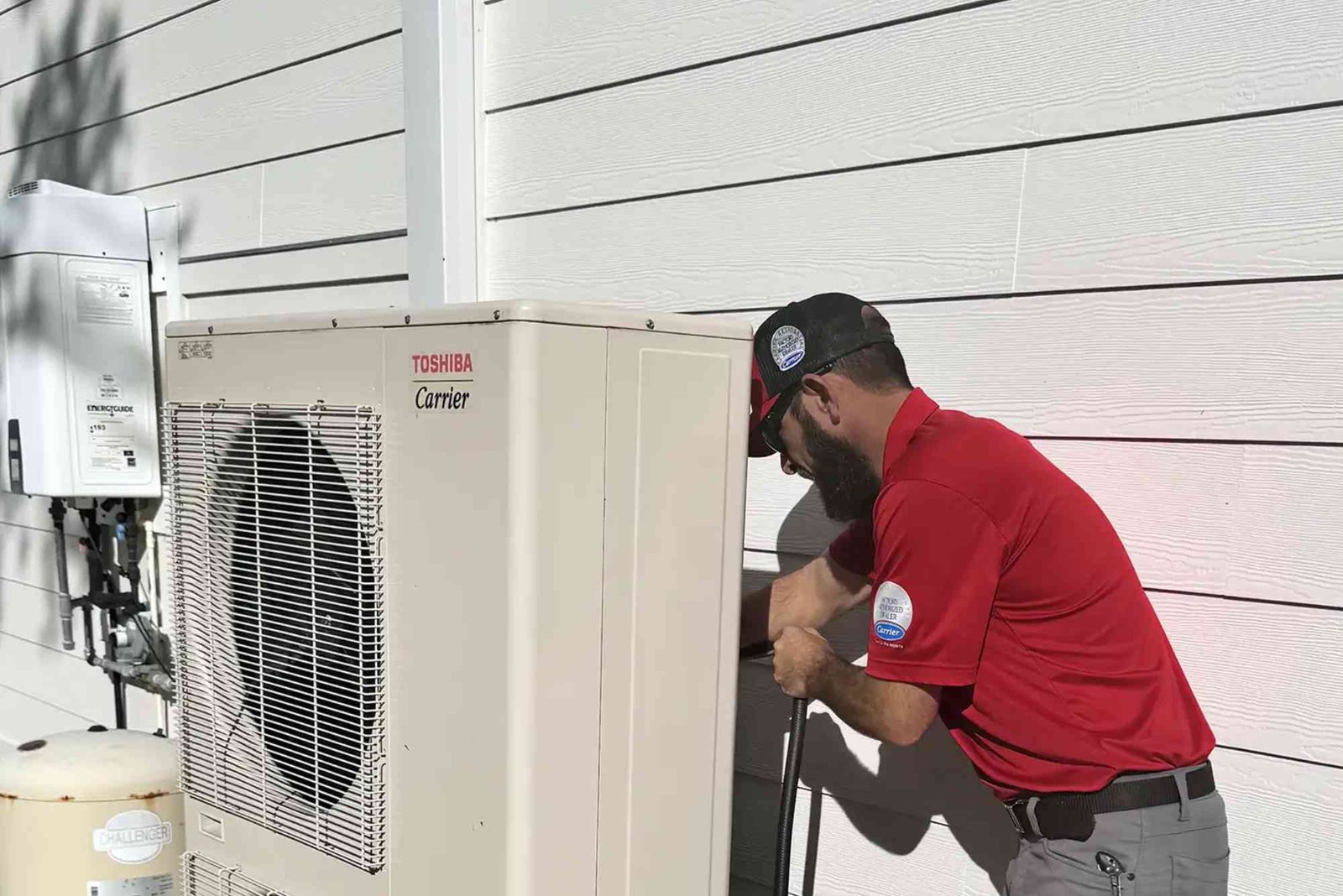
Carrier AC Installation: What Property Owners Should Know begins with understanding why professional installation matters. An air conditioning system has several connected components. These include the indoor unit, outdoor condenser, refrigerant lines, electrical connections, drainage system, controls, and ductwork where applicable.
Each component must work correctly with the others. Poor installation can result in uneven cooling, unusual noise, refrigerant problems, water leakage, and higher electricity consumption. In contrast, a correctly installed system can operate more smoothly and maintain comfortable indoor temperatures.
Professional installation also helps protect the equipment. Incorrect electrical connections or inadequate airflow can place unnecessary stress on the system. Over time, this may increase repair requirements and shorten equipment life.
For property owners, installation should therefore be viewed as a long-term investment rather than a simple equipment replacement.

Choosing the Right Carrier AC System
One of the first decisions involves selecting the right type of Carrier air conditioning system. The ideal option depends on the property’s size, layout, insulation, occupancy, and cooling requirements.
Split systems can work well for individual rooms and smaller spaces. Ducted systems may be more suitable for larger properties requiring centralized cooling. Commercial buildings may need more advanced solutions because they have different operating conditions and larger cooling loads.
Property owners should avoid choosing an air conditioner based only on its cooling capacity or purchase price. A professional assessment can help determine the appropriate system for the building.
The property’s orientation also matters. Rooms receiving strong sunlight can require more cooling than shaded spaces. Similarly, large windows, high ceilings, poor insulation, and frequent occupancy can increase cooling requirements.
For properties requiring centralized solutions, working with a reliable ducted ac supplier can help owners identify systems that match the building’s layout and operational needs.
Correct AC Sizing Is Essential
Correct sizing is one of the most important parts of Carrier AC Installation: What Property Owners Should Know. An oversized system is not necessarily better. In fact, excessive capacity can create its own problems.
An oversized air conditioner may cool a room quickly without running long enough to control humidity effectively. It can also cycle on and off more frequently. This may affect comfort and place additional stress on components.
An undersized system creates different problems. It may need to operate continuously to reach the desired temperature. As a result, energy consumption can increase while the property remains uncomfortable.
Professional installers should consider factors such as floor area, ceiling height, insulation, window size, sunlight exposure, occupancy, and equipment heat. This assessment allows the cooling capacity to be selected more accurately.
Proper sizing ultimately helps balance comfort, efficiency, and equipment performance.
Preparing the Property Before Installation
Before installation begins, property owners should ensure that the installation area is ready. The indoor and outdoor units require appropriate locations with sufficient clearance.
The outdoor unit needs good airflow around its condenser. Blocking the surrounding area can reduce heat rejection and affect performance. It should also be positioned where servicing can be performed safely.
The indoor unit needs suitable placement for effective air distribution. Installers should consider furniture, walls, doors, and other obstacles that could restrict airflow.
Drainage is another important consideration. Condensation produced during cooling must be removed safely. Poor drainage design can result in water leakage, damp areas, or damage to ceilings and walls.
Electrical requirements should also be assessed before installation. The property must have suitable electrical capacity and properly installed protective equipment.
Understanding Ducted AC Installation
Ducted air conditioning can provide consistent cooling throughout multiple rooms. However, the quality of the ductwork can significantly influence system performance.
Ducts should be properly designed and sealed to minimize air leakage. Poorly sealed ducts can allow conditioned air to escape before reaching occupied spaces. This can reduce efficiency and create temperature differences between rooms.
Insulation around ductwork is also important, particularly in hot environments. Proper insulation helps prevent unwanted heat gain and keeps cooled air at the desired temperature.
Property owners should also consider access for future inspection and maintenance. A system that cannot be easily serviced may become more expensive to maintain over time.
For larger properties, discussing duct design with an experienced supplier can help prevent installation issues before construction or renovation work is completed.
Selecting a Qualified Installation Provider
Choosing the right installer is just as important as choosing the air conditioner. Property owners should look for professionals with experience installing the relevant Carrier systems.
A qualified installer should understand refrigerant connections, electrical requirements, airflow, drainage, controls, and commissioning procedures. Experience with similar properties is also valuable.
It is useful to ask about the installation process before work begins. Property owners should understand what is included in the installation price. They should also clarify whether testing, commissioning, brackets, piping, drainage, electrical work, and basic controls are included.
A clear quotation can help prevent unexpected costs later.
Property owners considering alternative cooling equipment may also research an O General ac Supplier to compare available air conditioning solutions and system options.
Refrigerant Lines and Connections
Refrigerant piping is a critical part of an air conditioning installation. The indoor and outdoor components depend on properly connected refrigerant lines to transfer heat efficiently.
Installers must use suitable piping and ensure that connections are properly secured. Poor connections can lead to refrigerant leaks and reduced cooling performance.
The length and routing of refrigerant lines should also follow the manufacturer’s requirements. Excessive or incorrectly installed piping can affect system performance.
Professional installation includes checking the system for leaks and ensuring the refrigerant circuit is ready for operation. These steps should not be overlooked simply to complete installation faster.
Electrical and Safety Considerations
Carrier AC Installation: What Property Owners Should Know also includes electrical safety. Air conditioners can place significant demands on a property’s electrical system.
The installer should verify that the power supply is suitable for the selected equipment. Wiring, circuit protection, isolators, and connections should comply with applicable requirements.
Improper electrical installation can create operational problems and safety risks. Therefore, electrical work should always be handled by qualified professionals.
Property owners should never focus solely on getting the system running. Safety and compliance should remain priorities throughout the installation process.
Testing and Commissioning the System
Installation should not end when the air conditioner switches on. Proper commissioning helps confirm that the system operates as expected.
The installer should check cooling performance, airflow, thermostat operation, drainage, electrical connections, and unusual sounds. Refrigerant-related readings should also be checked according to the manufacturer’s procedures.
For ducted systems, airflow distribution should be assessed across different areas. Rooms should receive appropriate airflow without unnecessary restrictions.
Property owners should also test the controls and understand basic operating functions before the installer leaves.
A professional handover gives owners confidence that the system has been installed and tested correctly.
How Installation Affects Energy Efficiency
Energy efficiency is a major concern for property owners. Air conditioning can represent a substantial portion of energy consumption in buildings located in hot climates.
Correct installation can help the system operate closer to its intended performance. Proper airflow, suitable refrigerant charge, sealed ductwork, and accurate thermostat placement all contribute to efficient operation.
However, efficiency also depends on how the property is used. Keeping doors and windows closed while cooling can reduce unnecessary cooling loads. Cleaning filters regularly can also support proper airflow.
Smart temperature management can further reduce energy consumption. Property owners should avoid setting extremely low temperatures when moderate cooling can provide sufficient comfort.
Maintenance After Carrier AC Installation
Carrier AC Installation: What Property Owners Should Know should not end with the installation itself. Regular maintenance is essential for maintaining performance.
Filters should be inspected and cleaned or replaced according to the equipment requirements. Dirty filters can restrict airflow and force the system to work harder.
Outdoor coils should also remain reasonably clean and free from debris. Restricted airflow around the outdoor unit can reduce heat transfer.
Professional servicing can identify developing problems before they become major repairs. Technicians can inspect electrical components, drainage, refrigerant-related issues, airflow, and other important parts.
A preventive maintenance approach can also help property owners plan repair costs more effectively.
Common Installation Mistakes to Avoid
Property owners should be aware of several common mistakes. Choosing an air conditioner based only on price is one of them. The cheapest installation may not provide the best long-term value.
Incorrect sizing is another frequent problem. A system should match the property’s actual cooling requirements rather than relying on a simple room-size estimate.
Poor outdoor unit placement can also affect performance. The condenser needs sufficient airflow and reasonable protection from physical obstruction.
Ignoring drainage can lead to water damage. Similarly, poorly sealed ductwork can waste conditioned air and reduce comfort.
Finally, skipping commissioning can leave hidden problems unresolved. A system should be tested thoroughly before the installation is considered complete.
What Property Owners Should Ask Before Installation
Before approving Carrier AC Installation, property owners should discuss several important details with the installer. They should understand the proposed system capacity and why it suits the property.
They should also ask about installation timelines, warranty coverage, maintenance requirements, and the materials being used. Understanding these points can prevent misunderstandings later.
Owners should request clear information about what the quotation covers. This is particularly important for projects involving new ductwork, electrical modifications, or extensive refrigerant piping.
It is also sensible to keep installation documents and warranty information for future reference. These records can be useful when maintenance or technical support is required.
Long-Term Benefits of Professional Installation
Professional Carrier AC Installation can provide benefits that extend beyond immediate cooling. A correctly installed system can deliver more consistent temperatures and better airflow.
It can also support efficient operation and reduce avoidable equipment stress. Over several years, these benefits can contribute to better ownership value.
Comfort is equally important. Uneven temperatures can affect productivity in offices and reduce satisfaction in residential properties. Proper system design and installation help create a more balanced indoor environment.
For commercial property owners, reliable cooling can also support business continuity. Equipment, employees, customers, and visitors all benefit from stable indoor conditions.
Final Thoughts
Carrier AC Installation: What Property Owners Should Know comes down to more than selecting a reputable air conditioning brand. The system must be correctly sized, professionally installed, properly tested, and maintained throughout its service life.
Property owners should consider the property’s cooling requirements before choosing equipment. They should also pay attention to ductwork, refrigerant lines, drainage, electrical safety, outdoor unit placement, and system commissioning.
Fresh, nutritious dairy products are an important part of a balanced lifestyle. From quality milk and creamy yoghurt to delicious cheese and other dairy essentials, choosing trusted products can make everyday meals more enjoyable. For a convenient selection of fresh dairy products, explore My Dairy and discover options designed to bring quality and freshness to your home.
Related Reading: Must-Know Facts About Rebar Weight Accuracy
Related Reading: CBD E-Liquid Review: Best Picks & Effects — full guide
Related Reading: Argus GT 2 Review: Tough Tech for Serious Vapers
Related Reading: Essential Facts About Check Website Hosting Every Owner Should Know